
A Documentary Blockbuster: How Anton Ptushkin’s Antarctica Became One of Ukraine’s Most Profitable Film Cases of the Decade
Anton Ptushkin’s documentary Antarctica has emerged as a standout case for Ukraine’s film industry. The project not only set a record in the documentary segment, but also demonstrated a highly effective business model—one that combines low production costs, a powerful personal brand, and multi-channel monetization.
By revenue, Antarctica ranks among the five highest-grossing Ukrainian films of the past ten years, outperforming the majority of scripted productions with significantly larger budgets.
A Mass Audience as Starting Capital
Ptushkin entered theatrical distribution with a ready-made, multi-million audience. Fifteen of his twenty-two travel projects on YouTube have each surpassed 20 million views. This audience became the film’s primary driver of ticket sales.
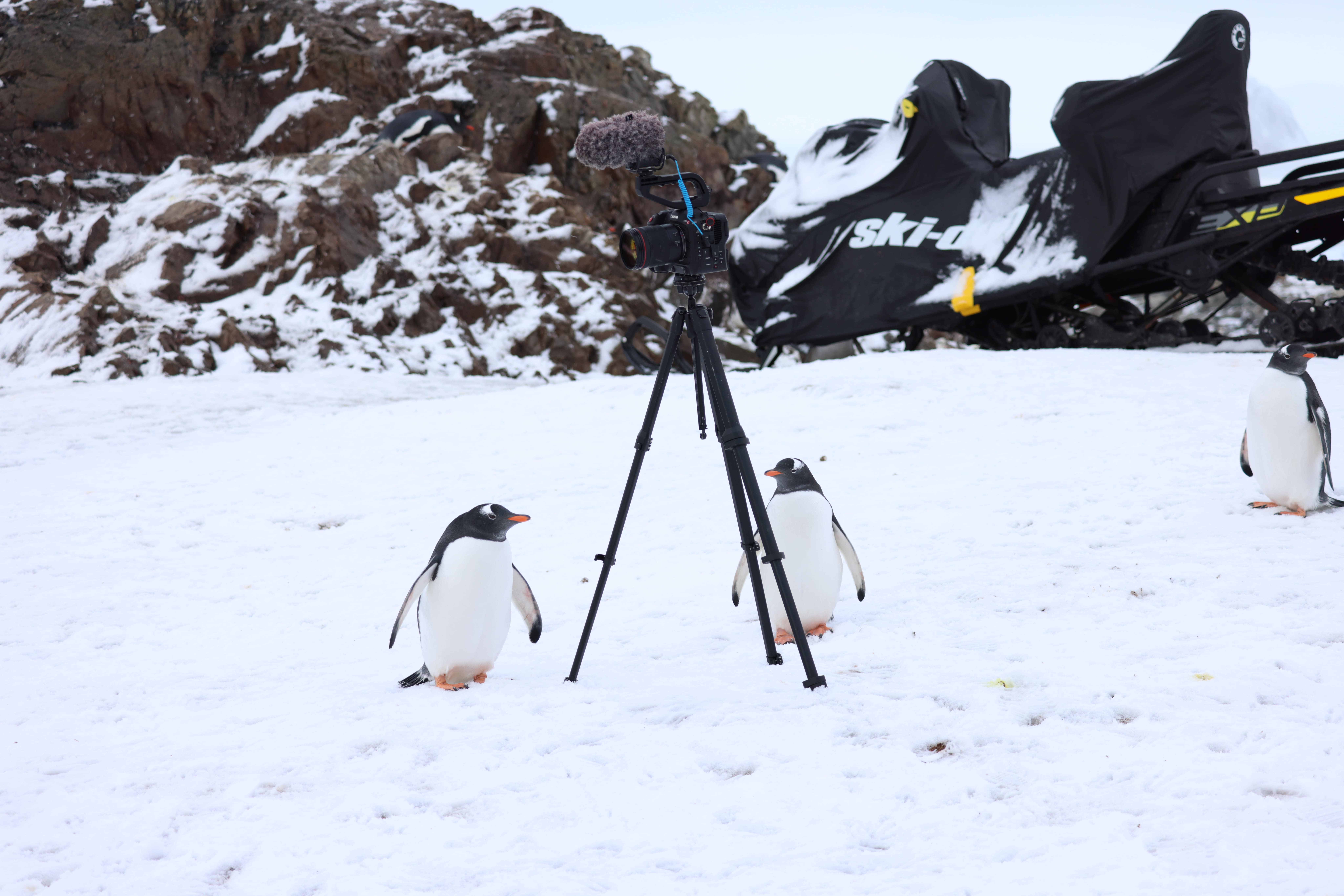
Originally conceived as another long-form YouTube episode documenting a journey with Ukraine’s 30th Antarctic Expedition to the Akademik Vernadsky Research Station, the project evolved into a full-fledged theatrical release during post-production. The key managerial decision was to take content designed for a digital platform and reposition it for traditional cinema distribution.
The film premiered in theaters on September 4. Within its first three weeks, it attracted 325,000 viewers, while total box-office revenue reached 71 million hryvnias (approximately $1.8 million) by early October. This marks an all-time record for Ukrainian documentary cinema and a performance comparable to the country’s most successful scripted releases.
Project Economics: High Margins
The core business advantage of Antarctica lies in its cost-to-revenue ratio. According to market estimates, producing a documentary of this format costs between $30,000 and $40,000. Part of the budget was offset before release through partnerships with the Bolt mobility service and the Podorozhnyk pharmacy chain.
Marketing expenses also remained tightly controlled, capped at roughly 1 million hryvnias. Ptushkin’s own digital platforms played a central role, effectively functioning as a full-scale promotional channel. Trailers garnered millions of views on TikTok and Instagram without significant spending on paid advertising.

Theatrical Release as the First Monetization Phase
Box-office revenue followed a standard industry split: approximately 50% went to cinemas, up to 20% to the distributor, and the remainder to creators and investors. The film was produced and financed by Ptushkin’s company, Vse Sam, and distributed by B&H Film Distribution.
Industry experts estimate that Ptushkin’s net income from theatrical distribution alone ranged between $450,000 and $650,000. At the same time, the cinema run represented only the first stage of the project’s broader financial strategy.
Streaming and Digital Distribution
On December 10, Antarctica launched simultaneously on Netflix and YouTube. Within nine days, the film amassed more than 2.1 million views on YouTube. On Netflix, it entered the platform’s top three most-watched films in Ukraine during its first week.
Market participants estimate that licensing deals for streaming platforms typically range from $30,000 to $200,000, depending on terms, popularity, and exclusivity. While a simultaneous YouTube release likely reduced the licensing fee, it was offset by expanded reach and additional advertising revenue.
A Project That Was Never Meant to Become a Series
Notably, Antarctica was never intended as part of a long-term documentary strategy. After his debut documentary Us, Our Pets, and the War, which grossed 4.6 million hryvnias, Ptushkin publicly stated that he was stepping away from documentary filmmaking.
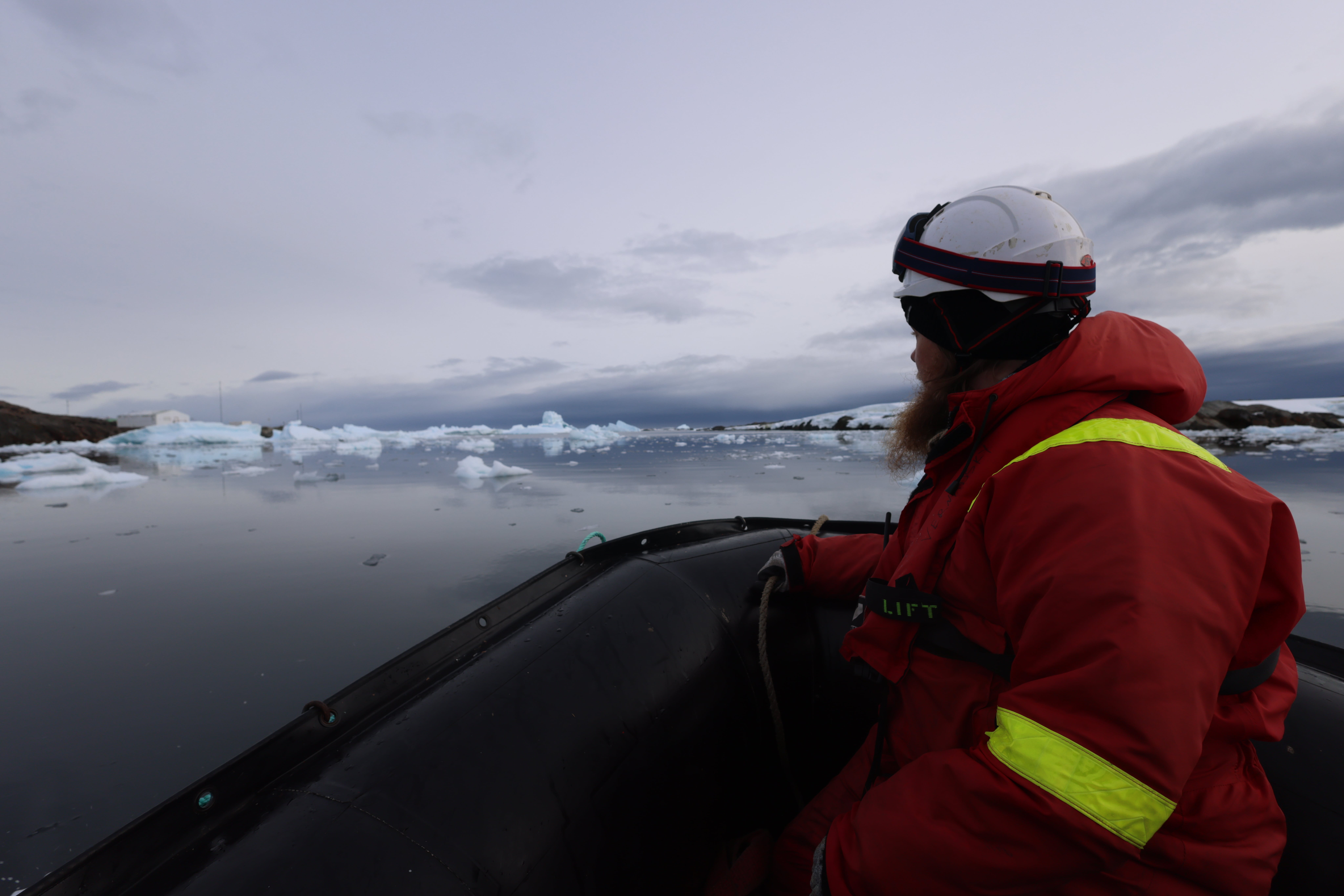
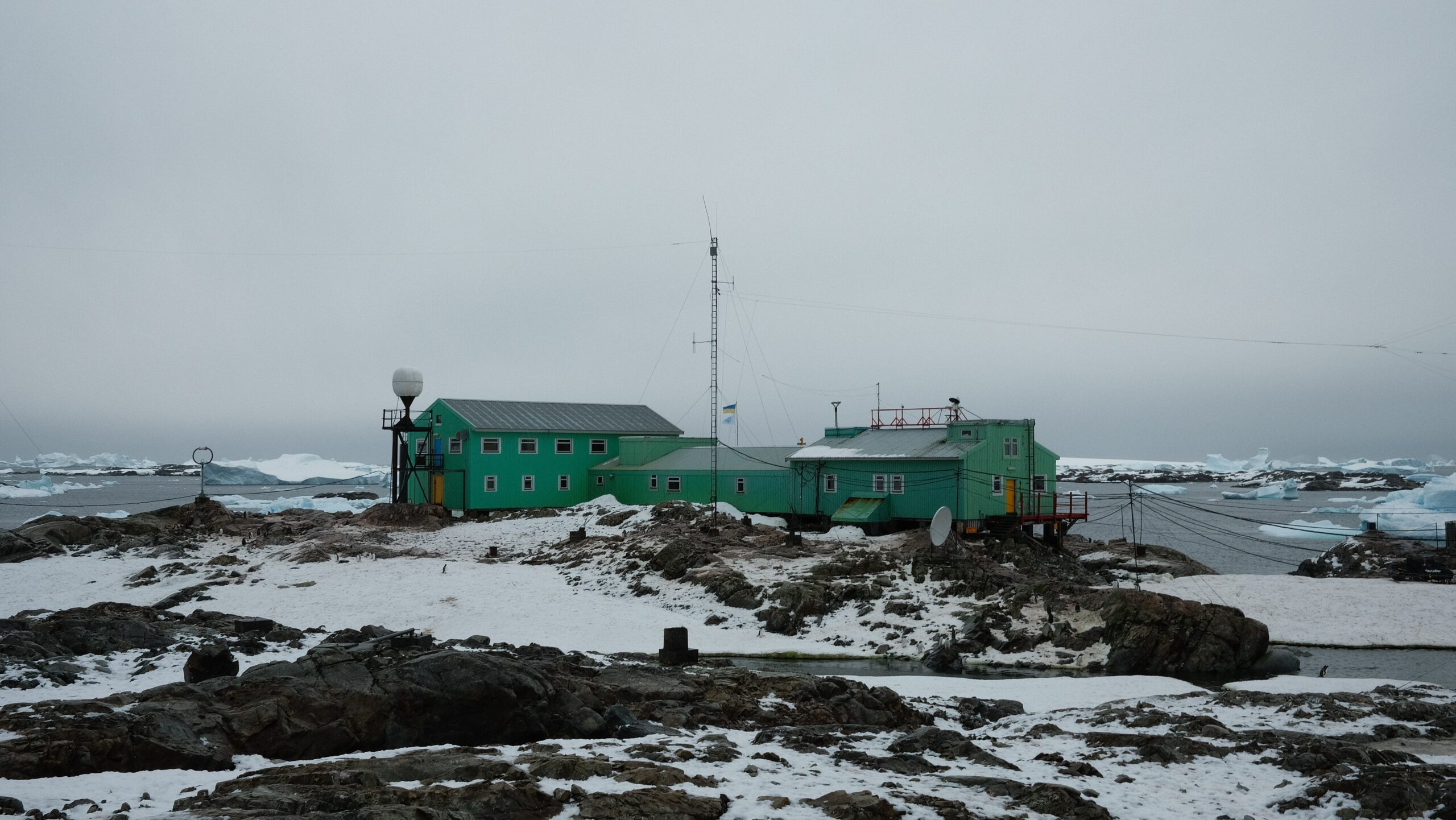
However, an Antarctic expedition in March 2025—including filming aboard the icebreaker Noosfera and a week spent at the Akademik Vernadsky Station—generated unique material that the team ultimately decided to scale. Following a test screening in a rented movie theater, a strategic decision was made to pursue full theatrical distribution.
Why the Model Worked
Industry experts identify several key drivers behind the film’s success. First, a high-quality product with rare and visually compelling footage. Second, a strong personal brand that ensured initial demand. Third, clear positioning as family-friendly, escapist content during a period of heightened emotional stress in society.
Timing also played a crucial role: minimal competition during the release window allowed the film to maintain screen presence longer than usual.
More Than Commercial Success
Beyond financial performance, Antarctica generated a measurable social impact. During an international charity tour, Ptushkin raised nearly 24 million hryvnias for the Come Back Alive foundation. An additional 2.2 million hryvnias in donations were collected during the film’s Ukrainian theatrical run to support members of Antarctic expeditions currently serving in Ukraine’s defense forces.
A Market Takeaway
Antarctica has set a precedent for Ukraine’s creative industries. It proves that documentary filmmaking can be mass-market, commercially viable, and scalable when supported by a well-executed strategy. For digital creators, the message is clear: the movie theater is not an alternative to YouTube—it is another tier within a broader business ecosystem.