Irina Vintsentik : How the Profile of the Luxury Guest Is Changing—and What It Means for Business
The luxury industry is undergoing a profound transformation: guests are no longer guided by formal markers of status. Instead, they evaluate the quality of the experience, the precision of service, and a brand’s ability to respond to their expectations in real time.
Within this shift, the role of operational culture and management decisions has become particularly visible.
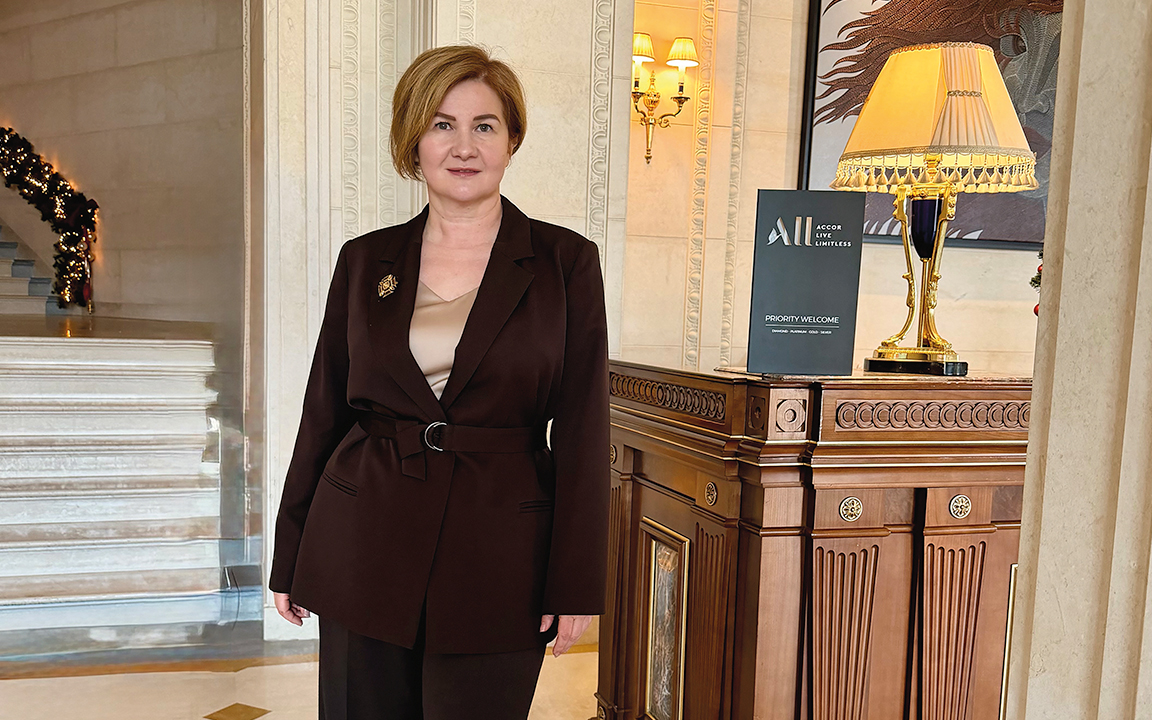
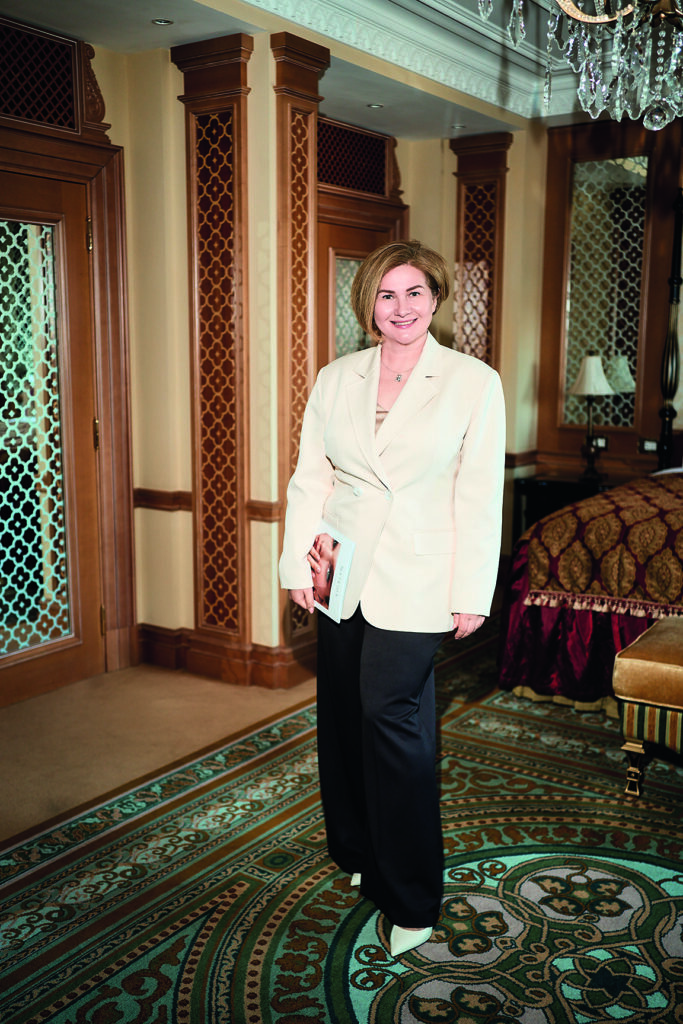
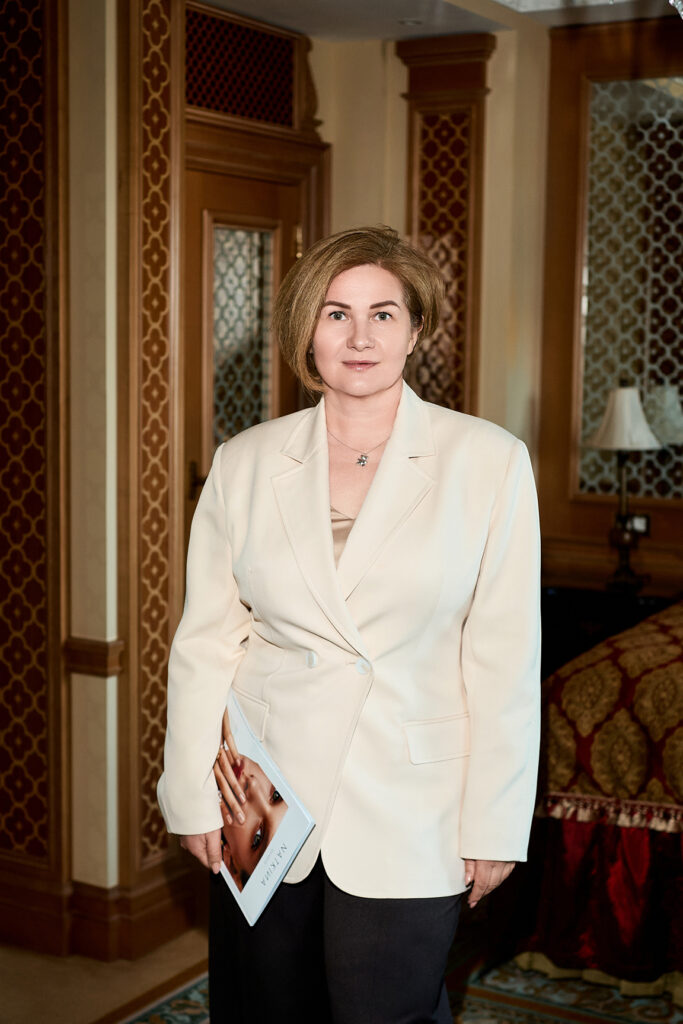
Irina Vintsentik, Director of Sales and Marketing at Fairmont Grand Hotel Kyiv, works within one of the most demanding segments of the market and engages daily with evolving standards of luxury. In this conversation, she reflects on how the guest profile is changing, why transparency is raising the bar for service, and which factors will define the industry in the years ahead.
The hotel business has traditionally been associated with impeccable service. In your view, what distinguishes a true five-star product from simply an expensive hotel today?
Today, the difference between a true five-star product and an expensive hotel extends far beyond interiors or room rates. Luxury has become more accessible, but authentic luxury is defined by experience, not price.
Price is no longer a reliable indicator of level. The market has shifted: there are many expensive hotels, but far fewer that operate as a fully integrated five-star product.
Guests no longer consider standardized service sufficient. They expect adaptation to their lifestyle, habits, and even emotional state. At properties like Fairmont Grand Hotel Kyiv, this means working with nuance—going beyond knowing a guest’s name to anticipating behavioral patterns, from coffee preferences to floor selection, pillow type, or spatial setup.
A true five-star service operates as a synchronized system, where every touchpoint—from booking to check-out—functions without gaps. An expensive hotel may invest heavily in design but fall short in execution, and it is precisely these details that define a sense of level.
The emotional dimension remains central. Guests remember not material attributes, but how they felt. The quality of luxury is determined by how seamlessly attention, discretion, and sincerity are integrated into the experience.
You present the hospitality industry from the inside. How does this level of transparency reshape guest expectations, and does it create additional pressure on service standards?
Transparency has fundamentally reshaped the industry’s operational reality. Social media, reviews, and behind-the-scenes content have made the business more open than ever.
Guests no longer arrive to “try”—they arrive to verify a brand promise they have already encountered in the digital space. This means marketing and operations can no longer exist independently; any disconnect becomes immediately visible.
On one hand, this strengthens trust. Showing real processes, teams, and approaches makes a brand more tangible and human. In the luxury segment, this is critical, as decisions are often driven by emotional connection.
On the other hand, expectations are significantly higher. Guests arrive with a clearly formed image and compare it directly with reality. Any gap leads to sharper—and often public—reactions.
This creates additional pressure on service standards, but it is a constructive one. It forces brands to operate with integrity, align communication with the actual product, and invest in consistency. Today, every guest is effectively a media channel, and this fundamentally changes the approach to service.

How has the profile of the luxury guest evolved in recent years, and which requests are the most challenging from an operational perspective?
The key shift lies in motivation: the luxury guest is no longer buying status, but control over their experience.
Today’s guest:
- has broad global exposure and benchmarks across markets;
- is highly informed and prepared for interaction;
- is less impressed by traditional symbols of luxury;
- is increasingly attentive to brand values—sustainability, ethics, and local context.
One of the defining trends is the move toward quiet luxury: privacy, space, and the absence of excess display.
Requests have become more individualized and less predictable. The most complex challenges include:
Real-time hyper-personalization
Guests expect immediate responses to non-standard requests, without delays or layered approvals.
Dynamic booking changes
Particularly in unstable environments, where decisions are frequently revised at the last minute.
Requests beyond traditional service scope
Private events, unique scenarios, and unconventional locations are no longer extras—they are expected.
Balancing privacy and attention
Guests want to be recognized, but not overwhelmed. This requires a high level of emotional intelligence.
Combining global standards with local experience
Guests expect international service quality alongside an authentic sense of place.
Your content reflects a balance between personal branding and professional expertise. How critical is it today for a hospitality executive to maintain a public presence?
Today, visibility is a tool for managing trust, not an end in itself.
In the luxury segment, guests evaluate not only the brand but also the people behind it. A manager’s personal brand becomes an extension of the hotel’s identity and shapes perceptions of quality.
At the same time, visibility is effective only when supported by a strong operational product. Content without substance quickly loses credibility. Conversely, a strong product without a public voice loses part of its influence.
In practice, this has become part of the leadership function—particularly for those operating at the top tier of the market.

A hotel is always a system where mistakes are inevitable. How do you build a culture of handling crisis situations within your team?
In hospitality, there are no perfect days—only the quality of response to imperfect situations. A well-resolved issue can create a stronger emotional connection than flawless execution.
This culture begins with a safe environment where employees are not afraid to speak up. Hiding mistakes creates systemic risk. The focus must remain on solutions, not blame.
At the same time, it is essential not only to resolve issues but to analyze their root causes.
For example, a guest arranged a surprise for his partner—room décor, cake, and flowers. Upon arrival, it turned out she was uncomfortable with high floors, and she was moved to another room without the information being passed along. As a result, the surprise was not delivered.
This was a critical situation from both a reputational and commercial standpoint. The team responded quickly: offering a room upgrade, providing complimentary services, partially compensating for the inconvenience, and maintaining consistent communication. The guest ultimately stayed and continued the relationship with the brand.
Afterward, we conducted an internal review, identified where the information breakdown occurred, revised communication processes, and introduced additional control points.
This is the model that works: rapid response, team support, and systematic learning.
Luxury service is often perceived as standardized. Where, in your opinion, is the line between protocol and true personalization?
Standards ensure consistency and predictability. But on their own, they do not create a luxury experience.
The line is crossed when the team:
- interprets standards within context;
- adapts scenarios to the individual guest;
- responds to behavioral cues, not just checklists.
Personalization is felt when service adapts naturally to the individual, without exposing the complexity behind it.
The team plays a defining role. It is essential to create an environment where employees take ownership and show initiative. Working with younger generations requires a greater emphasis on learning through example and practice.
No technology can replace emotional intelligence.
Looking ahead, which global shifts in hospitality do you consider most significant over the next 3–5 years—and how should the industry prepare?
Several transformations are already underway and will continue to accelerate:
The hybridization of luxury and lifestyle
Formality is decreasing, and service is becoming more flexible and less rigid.
Technology as invisible infrastructure
Digital tools are no longer a competitive edge—they are a baseline. The key is for them to remain seamless while enhancing the guest experience.
Competition for talent
The primary scarcity is people. Investment in teams, culture, and development is critical to maintaining service quality.
Reevaluating the role of the brand
A global name no longer guarantees trust. Guests assess the product within its specific location.
The industry is shifting from managing hotels to managing complex, real-time customer experiences. This reorients the focus from infrastructure to agility and responsiveness. Those who adapt early will define the market in the coming years.