Anna Rusak: Turning a SPA Service into a Lifestyle-Defining Brand
The European wellness market is undergoing a structural shift: competition is moving beyond services into the realm of experience, and clients are increasingly choosing not a procedure, but the state it creates. Within this context, the role of a brand is evolving—it is no longer just a destination on the map, but an integrated part of everyday life.
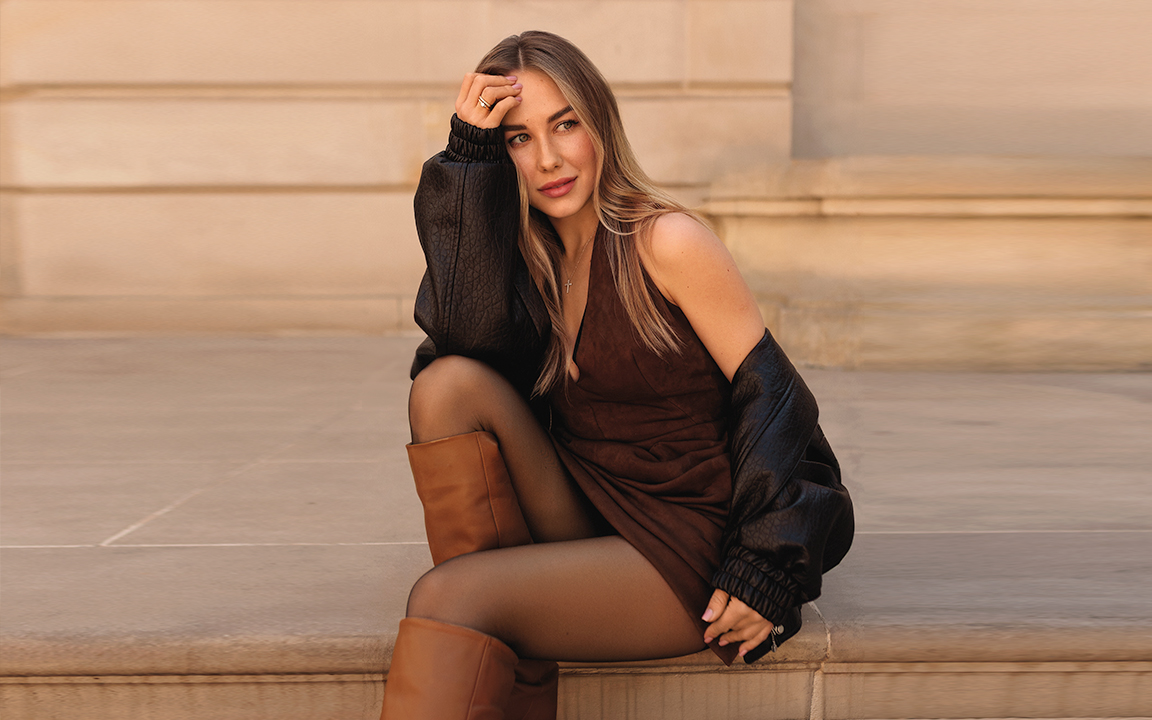
Anna Rusak, CEO of Royal Spa in Warsaw, has built her business on this principle. Her approach combines systematic personalization, a focus on emotional experience, and a clearly defined concept of space as an environment for recovery. In this conversation, she discusses how trust is built in the luxury segment, why atmosphere often outweighs technique, and which models are likely to remain relevant in the years ahead.
The wellness industry is expanding rapidly. How do you define the difference between a standard SPA service and a fully developed lifestyle brand?
A SPA service focuses on the outcome of a specific treatment. A brand works with the feeling that remains afterward—and with the desire to carry that state into everyday life.
At Royal Spa, we operate from the understanding that clients are not choosing a massage or a treatment as such, but a space where they feel different—calmer, more grounded, more composed. We are not building a menu of services; we are creating an environment that integrates into a person’s daily rhythm.
It becomes a place of recovery and a point of stability within an intense schedule—a place to pause, reset, and restore energy. What matters to us is that this experience does not end when the client leaves the space. That is why each guest receives our signature tea to take home, extending that state beyond the visit.
When I see people around the city carrying our cups, it is the clearest indicator that the brand has moved beyond service and become part of their lifestyle.
Your communication places strong emphasis on emotional experience. How much of a competitive advantage is atmosphere today compared to the procedure itself?
The quality of the procedure is a baseline expectation. It no longer differentiates a business.
The decision to return is shaped by how the client felt within the space. Atmosphere creates memory—and that memory drives repeat choice.
Every sensory element matters: lighting, silence, scent, materials. But the first thing a client perceives is how they are treated. Even in a perfectly designed environment, the absence of genuine human connection can undermine the entire experience.
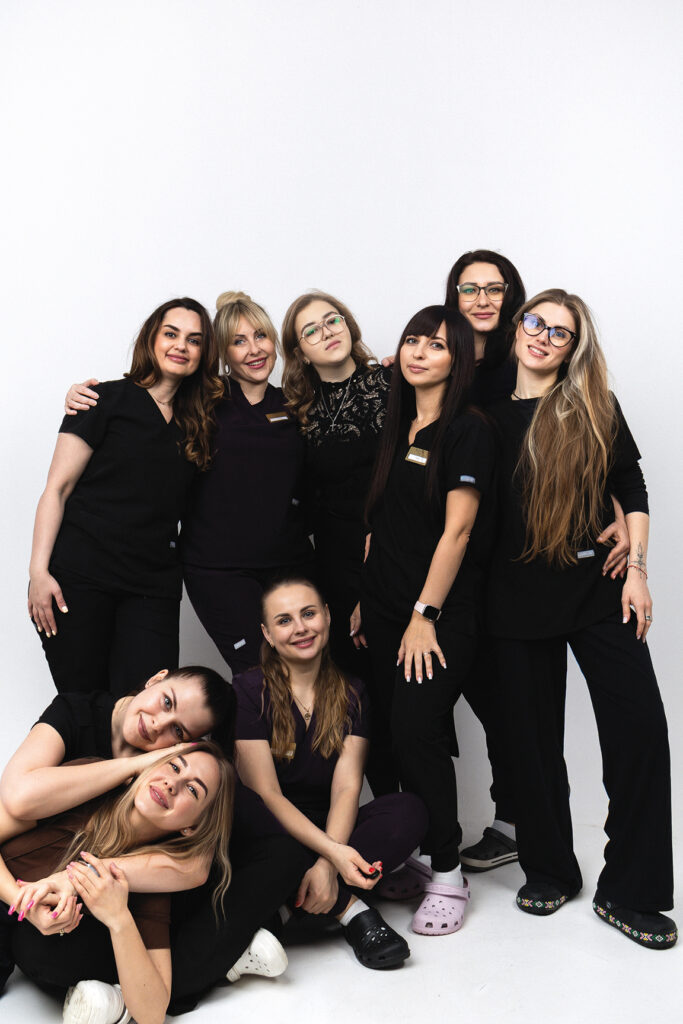
We invest heavily in building our team. I personally participate in every interview, evaluating not only professional competence but also the ability to create meaningful emotional connection.
As a result, the team develops organically. It becomes more than a workforce—it is a supportive environment felt by both employees and clients. This environment defines the tone of the entire experience and makes atmosphere inseparable from the service itself.
Royal Spa combines multiple направления—from massage to cosmetology and family formats. Is this a scaling strategy or a response to evolving client demand?
It is an ecosystem model rather than traditional expansion.
Today we operate two spaces with distinct concepts. The first is located in a hotel complex in Warsaw, originally focused on hotel guests. The second, outside Warsaw, reflects a fully developed ecosystem designed for clients who want to access a wide range of services in one place.
We consistently analyze both client demand and the context of each location, shaping development accordingly. At the same time, every new direction undergoes strategic evaluation: does it enhance the overall experience, and does it align with the brand’s DNA?
We have deliberately declined certain popular services when they did not fit our concept. Maintaining brand integrity is more important than responding to short-term demand.
Client behavior confirms the effectiveness of this model. Within a single visit, they often combine multiple services—from core treatments to additional care and planning future appointments. This is not about upselling; it reflects trust in the space.
Expanding the family format has also become important. We introduced SPA treatments for children, and increasingly see clients visiting as families. This signals that the brand is integrating not only into individual habits but into a broader lifestyle framework.
Luxury clients expect more than service—they expect personalization. How do you ensure that personalization remains systematic rather than случайной?
Personalization requires structure. Without it, it becomes a series of inconsistent decisions.
We work with each client’s history as a dynamic profile, taking into account not only previous treatments but also physical condition, stress levels, emotional state, and lifestyle habits. Based on this, we create recommendations that naturally integrate into their lifestyle.
The service adapts in real time. If we see that a client arrives in a state of overload, we adjust the visit scenario—reducing communication, modifying the duration, and using gentler techniques.
We also extend the experience through collaborations with other brands, introducing clients to new formats of self-care and building a community around Royal Spa based on shared values.
This approach allows us to maintain individuality while preserving operational consistency.
Self-care is becoming increasingly commercialized. How do you balance a genuine philosophy of care with the need to build a profitable business?
The market has become highly sensitive to insincerity, which makes short-term sales models less effective.
We build the business around trust. This means that decisions are guided by the client’s actual needs, not by a sales plan. In some cases, we openly say that a particular treatment is not necessary.
This creates long-term loyalty. Clients feel that they are being considered, not sold to—and that becomes the foundation of a stable relationship with the brand.
From a financial perspective, this is also a more predictable model: trust naturally converts into long-term client value.
Royal Spa’s content creates a sense of calm and detachment from reality. How intentionally do you use Instagram as a tool to shape this state before a client even visits?
We view Instagram not as a traditional marketing channel, but as the first point of contact with the brand’s state.
The content is designed to reduce informational noise and shift attention. Visual language, video rhythm, color, sound—everything works toward creating a sense of calm and inner balance.
In effect, interaction with the brand begins before the physical visit. Clients enter this state through content and arrive already prepared for the experience.
Instagram becomes an extension of the service and part of a cohesive, continuous journey.
From a strategic perspective, what key transformations do you see in Europe’s wellness industry—and which businesses will remain competitive?
The market is moving from a service-based model to one centered on the human state.
Among the key shifts are the integration of wellness into daily life, the normalization of personalization as a standard, and the growing importance of emotional connection with the brand. Clients increasingly evaluate not only results, but also the meaning and integrity behind the product.
Formats built solely on visual appeal or trends are fading. In their place, brands with clear identity, thoughtful концепция, and a deep understanding of client behavior are gaining strength.
In the near future, wellness will move beyond the category of luxury and become a basic need. The winners will be those able to integrate into everyday life and deliver a consistent, reliable, and high-quality experience.