

A UAH 1 Billion Hub Destroyed: How EVA Is Rebuilding Its Supply Chain After a Russian Strike
A Russian strike on EVA’s distribution center shut down one of the retailer’s key logistics hubs. The company quickly reconfigured its supply network, but a long-term solution will require billions of hryvnias in investment. Terwin plans to distribute inventory across hundreds of warehouse sites, expand direct-to-store deliveries and push for new war-risk insurance programs.
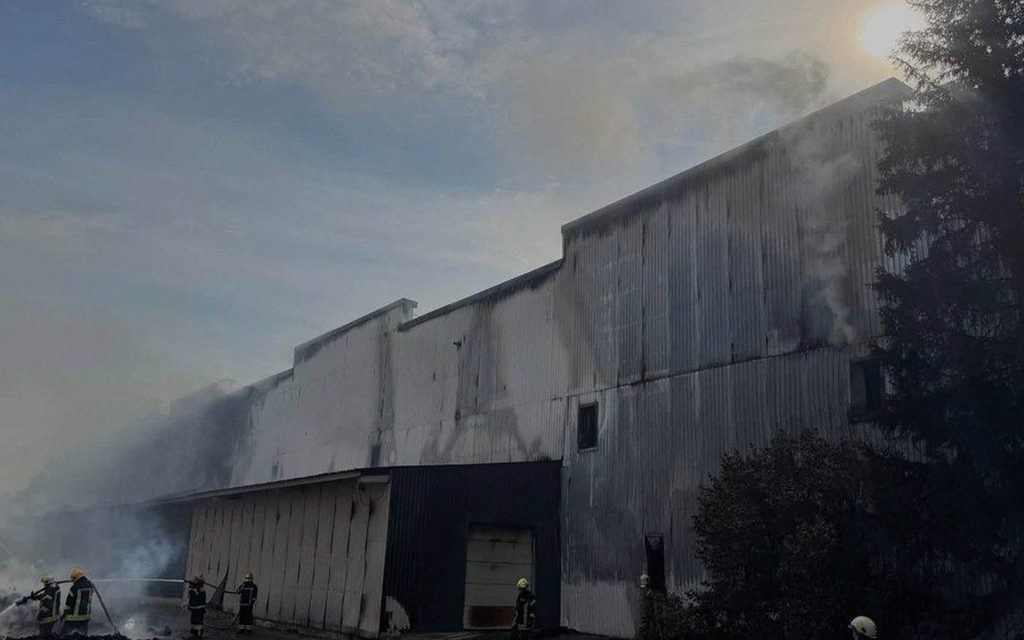
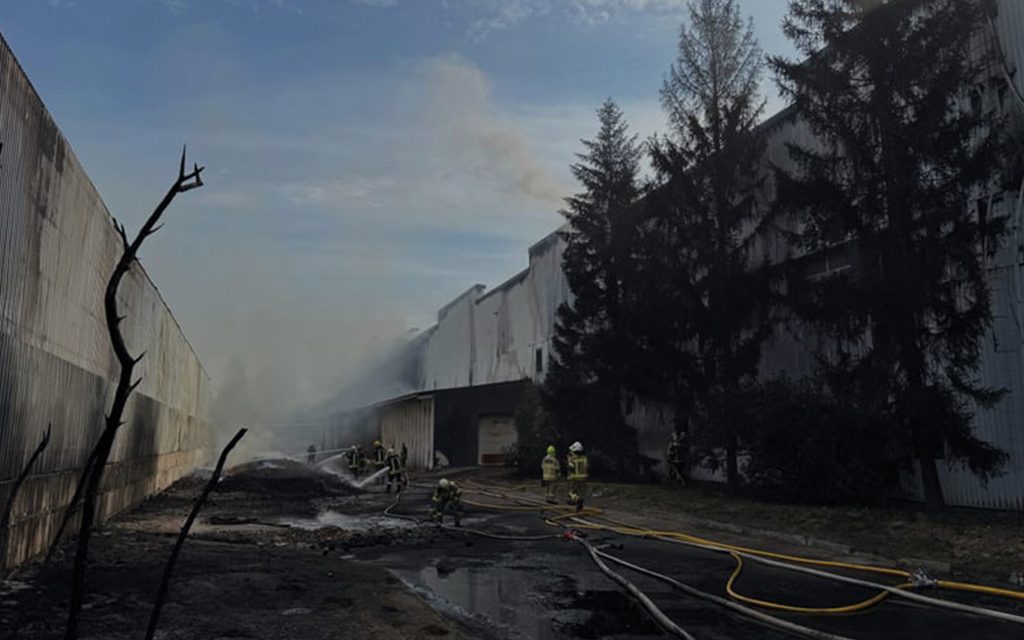
On the morning of August 18, Russian drones struck the distribution center serving EVA and its online store, Eva.ua, in Brovary. The facility supplied stores across Ukraine. No one was injured in the attack, but the company has preliminarily estimated its direct losses at roughly UAH 1 billion.
For Terwin, the corporation behind the EVA and Varus retail chains, this is the fifth warehouse it has lost or seen damaged by Russian strikes. Two days later, on August 20, a missile attack damaged a warehouse belonging to a Varus logistics partner in Boryspil. The grocery chain lost part of its inventory, while the full extent of the damage is still being calculated.
The series of strikes is forcing retailers to reconsider a logistics model built around large distribution centers. A centralized network speeds inventory turnover and helps keep operating costs under control. But amid repeated Russian strikes, a major hub becomes a single point of failure.
The Scale of the Loss
Terwin is a conglomerate of 17 companies employing approximately 30,000 people. Its assets include the EVA and Varus retail chains, WinHub logistics parks, an automotive division and social-impact initiatives. The corporation is led by Ruslan Shostak, co-owner of EVA and Varus. His partner in the retail business is Valerii Kiptyk.
EVA remains Ukraine’s largest beauty and personal-care retail chain. According to YouControl, revenue at RUSH LLC, the company that operates EVA, rose 18% in 2025 to UAH 31.8 billion. In the first half of 2026, revenue increased by another 21.5%, topping UAH 18 billion.
The destroyed Brovary facility served both EVA’s physical stores and its e-commerce operations. The company has not disclosed what share of its total logistics capacity the facility accounted for, citing the sensitivity of the information.
The Immediate Priority: Preventing Shortages
Immediately after the attack, EVA warned that certain products could be temporarily unavailable at some stores and that online orders might be delayed. After assessing the damage, the company reconfigured its logistics operations and rerouted deliveries.
Shostak does not expect sustained shortages across the chain. Isolated disruptions could last for one to two weeks as the company redirects inventory through alternative channels.
Competition in Ukraine’s retail market, along with the presence of domestic manufacturers and importers, is helping stabilize the situation. Suppliers are also rerouting shipments, allowing most regularly stocked products to continue reaching store shelves.
Terwin is still calculating how the logistics overhaul might affect retail prices. Higher transportation costs and a more complex distribution network could produce modest price increases for certain products.

Replacing One Hub With Hundreds of Warehouses
Terwin’s strategy centers on decentralizing its logistics network. The company plans to reduce its reliance on large distribution centers and spread inventory across a far broader range of facilities.
Over time, the network could span hundreds—and eventually thousands—of smaller warehousing sites serving the group’s retail chains. Some products would be delivered directly to stores, bypassing central hubs altogether.
The decentralized model would require more delivery routes, smaller shipments and more sophisticated inventory management. But losing one facility would no longer disrupt a substantial share of the company’s nationwide supply chain.
Shostak estimates that the transformation will require several billion hryvnias in additional investment. Terwin may redirect part of its existing investment budget to finance the project. The company must fund new infrastructure while preserving the breadth of its assortment and keeping price increases under control.
What Comes Next for WinHub
Despite the attacks on warehouse infrastructure, Terwin plans to move ahead with the development of its WinHub logistics park in the Kyiv region. Construction has already begun, though the warehouses are still a long way from becoming operational.
The company reports strong demand for the planned space. Terwin plays a dual role in the project: its retail chains need warehouse real estate for their own operations, while WinHub develops and offers such facilities to other companies.
The central challenge is protecting those investments. Terwin is seeking a financial model that accounts for the possibility that warehouse assets could be physically destroyed. Additional war-risk insurance is expected to be one of its key components.
Geographic diversification offers only partial protection. Russian attacks on logistics facilities occur throughout Ukraine, meaning that building warehouses in different regions cannot guarantee their safety. Once the war ends, however, demand for high-quality warehouse infrastructure may rise, and Terwin expects to build a meaningful position in the sector.
No Layoffs Planned
The loss of the distribution center has not led to layoffs. Terwin plans to retain its employees and, where necessary, shift staff and operational workloads among other facilities.
EVA and Varus stores continue to operate in Kharkiv, Kramatorsk, Sumy and other cities that face regular attacks. The group has lost some locations, while hundreds of its stores have sustained damage.
According to Shostak, the company may close locations or cut jobs only in areas facing a high risk of occupation or persistent drone strikes.
Firefighting Robots and War-Risk Coverage
After a Varus warehouse in Dnipro was destroyed in 2022 and State Emergency Service personnel were killed during the response, emergency crews were barred from entering affected sites while an air-raid alert is active. Terwin considers the restriction justified but has proposed deploying robotic equipment to help contain fires.
The technology would include unmanned ground vehicles, specialized firefighting robots and drones that could be operated from a safe distance. Shostak estimates that such systems could contain up to 30% of fires within the first few hours after a strike. A command center could be located approximately 500 meters from the impact zone.
Terwin is also holding consultations with the relevant government ministries. Business representatives are preparing proposals covering insurance for warehouse properties, streamlined permitting procedures and faster construction of new logistics facilities.
Another proposal calls for the creation of special investment zones with temporary tax incentives. Such a framework could help offset wartime risk and attract private capital to the reconstruction of destroyed infrastructure.
EVA’s new model will be judged by product availability, online order fulfillment times and the company’s ability to control additional costs. The destruction of a distribution center valued at approximately UAH 1 billion has accelerated the transition toward a system in which a nationwide retail chain no longer depends on the survival of a single major hub.