
Guzema Fine Jewelry Takes on New York: How a Ukrainian Jewelry Brand Is Entering the Global Luxury League
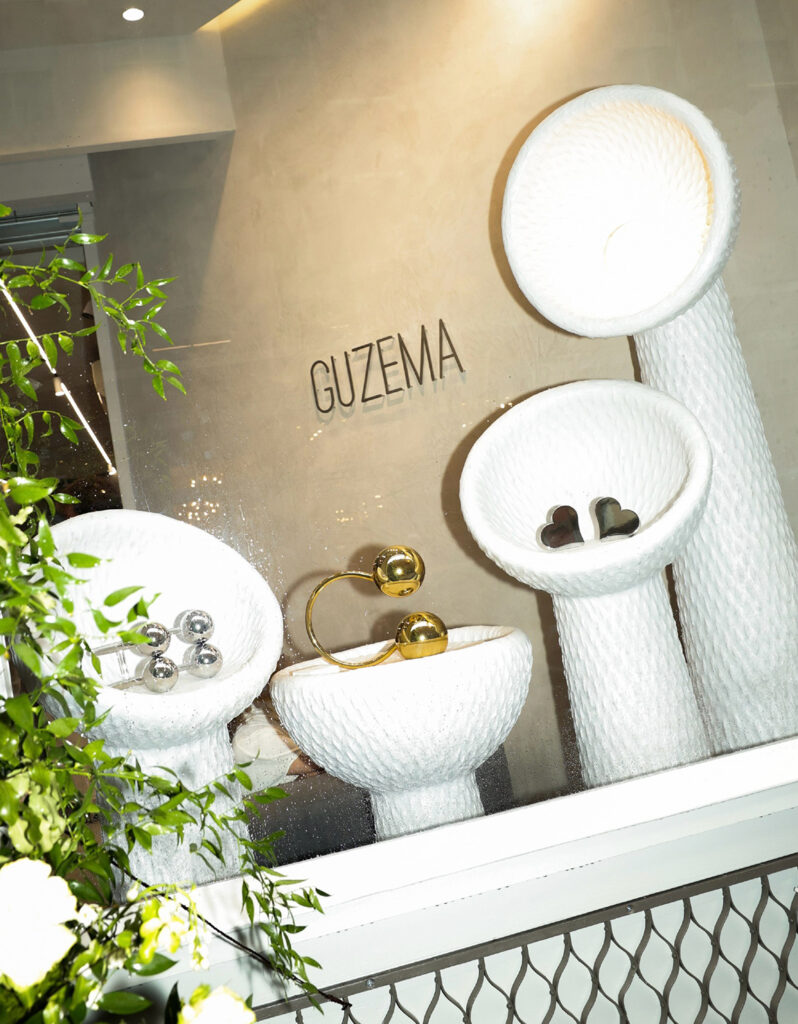
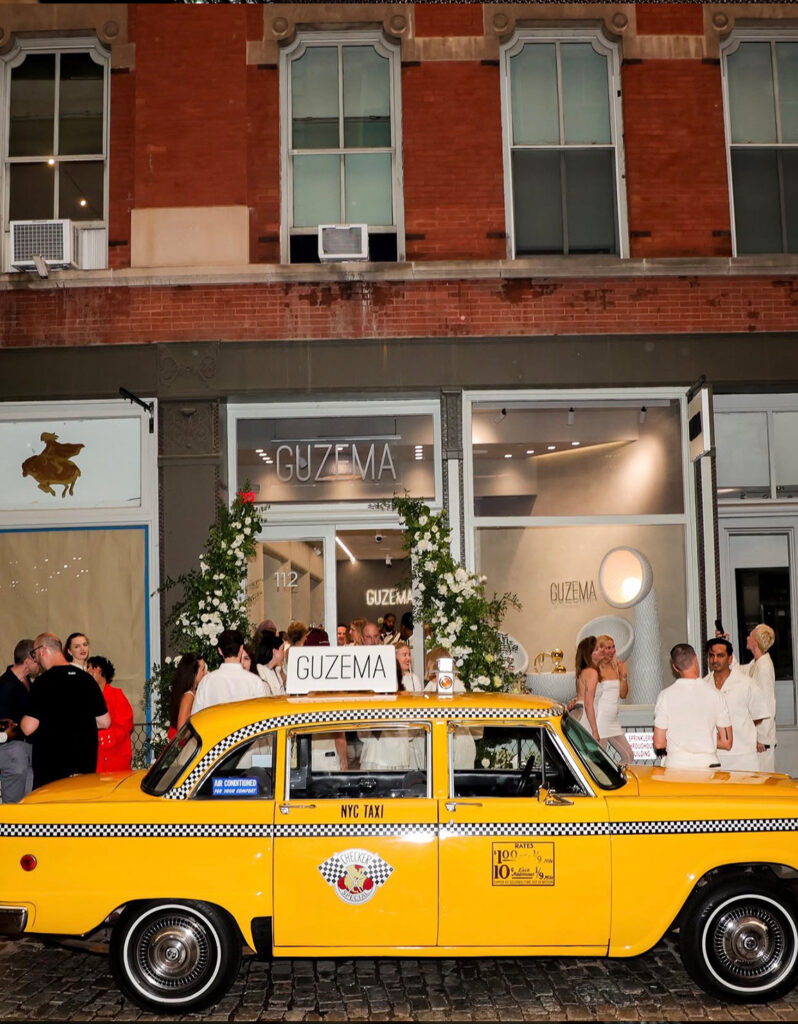
Ukrainian jewelry brand Guzema Fine Jewelry has taken a step that remains rare for local fashion and jewelry companies. In July, the brand opened its first standalone boutique outside Ukraine, located in New York’s SoHo district. This is neither a temporary showroom nor a space within a multibrand store or retail partner’s corner. It is a fully realized flagship conceived as a long-term investment in one of the world’s most competitive markets.
For most Ukrainian brands, entering the U.S. market begins with partnerships with local retailers. Operating a standalone store in the United States requires an entirely different level of responsibility, investment, and operational management.

Why New York
The decision to enter the American market was not made overnight. Before opening a physical retail space, Guzema Fine Jewelry spent several years developing its U.S. e-commerce business, building a local team, and establishing an American office. Only then did the company move to the next stage: launching its own store.
Ahead of the flagship opening, the brand tested the market through a pop-up space in New York in late 2024. The format allowed the company to assess demand, better understand local consumer behavior, build a database of prospective clients, and establish relationships with stylists, journalists, and buyers.
It was during this period that the team recognized the brand’s Ukrainian roots as one of the factors attracting American customers.
A Flagship in the Heart of a Luxury District
The new boutique is located in SoHo, one of Manhattan’s leading shopping destinations.
Its neighbors include Tiffany, Chanel, Jacquemus, Mulberry, Max Mara, and Canada Goose. For a luxury brand, a location of this kind means constant competition for consumer attention. At the same time, it offers a natural flow of shoppers already engaged with the premium market.
The company signed a three-year lease. Monthly commercial rents in the area can range from $25,000 to $60,000, while lease rates are typically adjusted annually to account for inflation.

An Investment of More Than $1 Million
The store opening required an investment of more than $1 million.
The largest areas of expenditure included:
- rent;
- construction and renovation;
- securing all required permits;
- legal support;
- bringing the space into compliance with U.S. building regulations.
The preparation process took nearly a year, although the brand had initially planned to open much earlier.
One of the main causes of the delay was the extensive approval process involving New York City authorities. Construction work was subject to regular municipal inspections, with each visit carrying an additional fee. The space also had to be fully adapted to meet U.S. accessibility and safety requirements.
Logistical complications created further costs. One shipment of glass for the display cases, valued at $25,000, arrived damaged. Because of an error made when the delivery was accepted, the company was unable to file an insurance claim and had to resolve the issue at its own expense.
The American Consumer Shops Differently
The brand’s experience in the United States has shown that American consumer behavior differs significantly from that of Ukrainian clients.
Ukrainian customers often attach personal stories, symbolism, or emotional value to jewelry. In the United States, jewelry is more frequently treated as an element of everyday style.
American clients tend to make purchasing decisions more quickly, spend less time considering their options, and place greater emphasis on contemporary design and convenience of service.
For this reason, a physical store became a central part of the brand’s strategy. In the fine jewelry segment, the opportunity to see a piece in person, try it on, and speak with an advisor remains one of the key factors in building trust.
Marketing That Works Locally
Entering the U.S. market required several years of preparation.
Over the past three years, Guzema Fine Jewelry has invested in local presentations, private events, pop-up projects, press brunches in New York and Los Angeles, and partnerships with influencers, stylists, and personal shoppers.
The company also relies heavily on digital marketing, geotargeted communications, and email campaigns designed to drive customers directly to the boutique.
At the same time, the brand continues to expand its relationships with American retailers. Its partners already include French department store Printemps, online platform Olivela, and Marissa Collections, which plans to introduce Guzema jewelry at The Ritz-Carlton in Florida and at another new hotel project that has yet to be announced.
The company is also receiving opportunities to work with international celebrities. One recent proposal involved providing jewelry for a performance by Shakira.

A Ukrainian Brand with Global Ambitions
Guzema Fine Jewelry was founded by Valeriya Guzema in 2016. Within several years, it became one of the most recognizable names in Ukraine’s niche luxury jewelry segment.
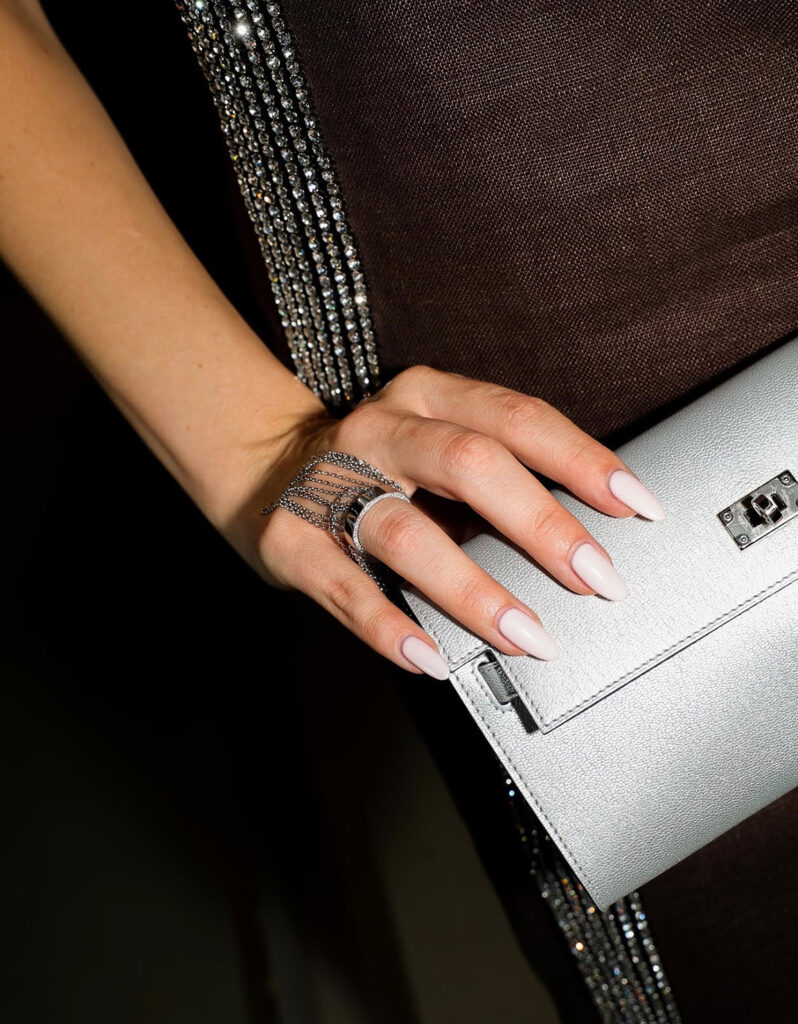
The brand’s pieces have been worn by Olena Zelenska, Milla Jovovich, Jenna Ortega, Lily Collins, Jamala, and other public figures.
Production is based in Kyiv. In Ukraine, the company operates three standalone boutiques, a dedicated corner at the TSUM department store, and a network of retail partners.
In 2025, the brand sold approximately 16,900 pieces of jewelry. Nearly half of its sales came through online channels, while another 45% were generated by its own boutiques. The average price of a piece is approximately 35,000 hryvnias, with collections ranging from 5,400 to nearly 944,000 hryvnias.
The opening of the New York flagship is a natural extension of this strategy. For Guzema Fine Jewelry, the boutique represents a new point of sale, an investment in brand recognition, stronger trust among American consumers, and a more prominent position for Ukrainian design in the global luxury market.