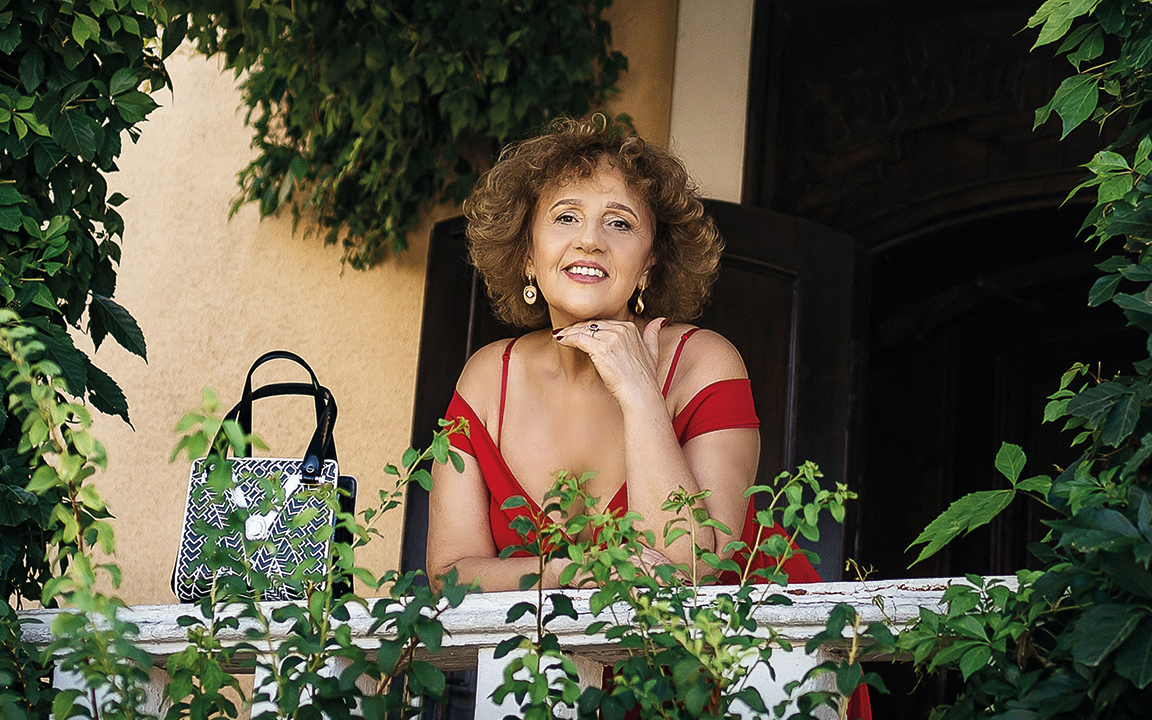
Tetiana Vilchynska: Business, to Me, Is Drive, Freedom, and Life Itself
For more than 30 years, Tetiana Vilchynska has been building businesses where entrepreneurial strategy meets creativity and intuition. She began in 1994 with textile design, turned her own name into a recognizable brand, opened salons and a boutique hotel by the sea, and later expanded into real estate investments while developing an interest in the jewelry industry.
In this interview, Tetiana Vilchynska talks about the decision that launched her entrepreneurial journey, the 2008 financial crisis, the value of reputation, the role of risk and intuition, and the principles she has followed in business for more than three decades.
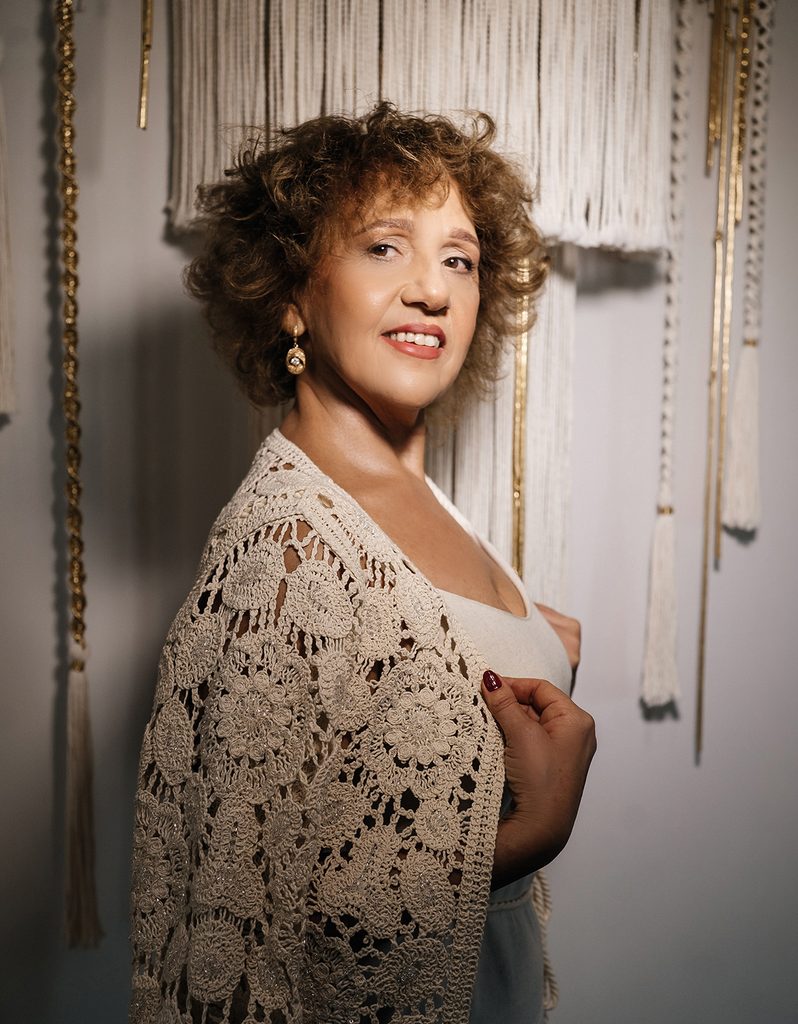
You started your own business back in 1994, and over more than 30 years, you have gone from working in textile interiors to running your own salons, a hotel business, exploring the jewelry industry, and investing in real estate. What decision became the turning point that transformed entrepreneurship into a way of thinking and living for you?
During the economic upheaval of Ukraine’s transition in the 1990s, salaries were no longer enough to live on, even though I was working three jobs in the music field. At some point, I realized I did not want to live that way. When I was still young, I had set a goal for myself: to become well-known, financially secure, independent, and free. So I left my job and went into business.
At first, when I opened my first salon, I was focused primarily on bringing my own ideas to life. I had many clients, and my schedule was booked two to three months in advance. Over time, I began training my employees and overseeing the entire process — from design and curtain rod installation to sewing and client service. The company grew quickly, and we eventually opened a second store. That was how the Tetiana Vilchynska Curtain Salon brand gained recognition and became well known.
Eventually, I felt that design alone was becoming too limiting for me. That led to the opening of my own boutique hotel by the sea, bringing another one of my dreams to life. I realized that I wanted to earn well and see my ideas become reality.
For me, business is drive, forward momentum, growth, and freedom. It gives me the opportunity to turn dreams into reality. For me, it’s a way of living life to the fullest. It’s part of who I am.
Your name became a brand in textile design, while your salons worked with fabric suppliers from Europe, Turkey, and China. How did you keep the business recognizable and competitive for decades as trends, clients, and the market itself continued to change?
The market changes, and so do people’s preferences and habits. You have to move forward with the times: find new suppliers, update your approach, follow trends, while remaining creative, honest, and committed to your work.
For a long time, I wondered whether I should name the salon after myself. It carries a great deal of responsibility because, in effect, you are putting your signature on every project. A personal brand means that your name becomes a guarantee of quality, creativity, and results.
The strengths of my business have always been the highest-quality fabrics, exceptional craftsmanship from our seamstresses, and distinctive design solutions. I worked directly with factories in Istanbul. I am especially proud of my collaboration with Escardin, which produced exclusive tulle fabrics for me based on my own designs. Our clients were able to receive a product they could not find anywhere else. The textile factory Anka also gave me access to sophisticated curtain fabrics that had been showcased at major international exhibitions.
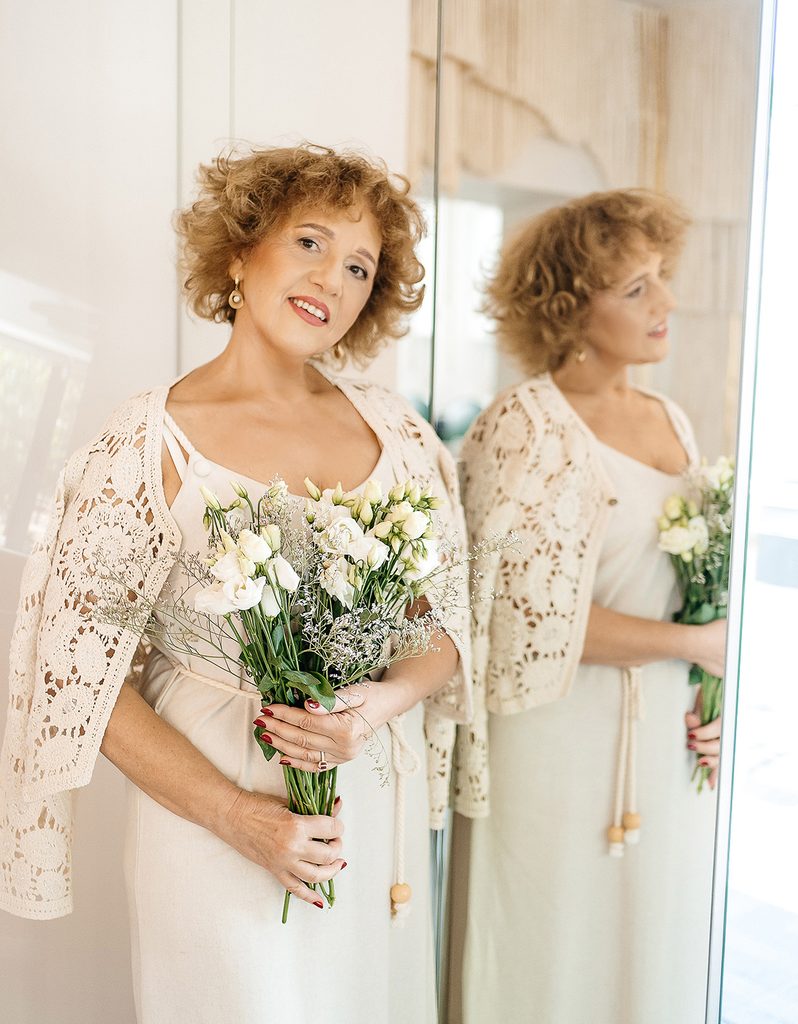
Over the years, you have navigated economic crises, shifts in consumer behavior, and periods of profound uncertainty. Which challenge changed you most as a businesswoman, and what did it teach you about money, risk, and responsibility for your own decisions?
The 2008 financial crisis changed me the most. I sensed intuitively that it was coming, so I terminated a real estate purchase agreement and postponed two other major projects. Had I not done that, the consequences could have been very serious.
Before the crisis, the salon was booked with orders two months in advance. By 2009, there were almost no clients. Prices rose sharply, and people put their plans on hold. I changed suppliers and looked for new alternatives, but for a while, nothing worked.
That was when I understood one of the most important rules in business: even when everything is going exceptionally well, you still need a financial cushion. I kept separate budgets for business development, personal expenses, and travel and investments. I never mixed them. That approach helped me navigate the COVID-19 pandemic with confidence, as well as the beginning of Russia’s full-scale invasion of Ukraine.
I have made many of the most important decisions in my life by following intuition rather than logic alone. One example was terminating that real estate agreement in 2008; two weeks later, the Ukrainian hryvnia sharply depreciated against the U.S. dollar. Remarkably, at the end of 2021, I also decided not to invest in a profitable real estate property — and shortly afterward, the war began. Experience has taught me to always listen to my inner voice.
You have pursued projects across several industries: design, hospitality, jewelry, and real estate. What criteria help you decide that a new idea is worth investing in — and when do you walk away, even if the opportunity looks highly attractive?
Before entering a new field, I spend a great deal of time studying the market, demand, and global trends. Sometimes, by the time you finish analyzing a particular direction, it has already begun to lose relevance. Textile design is a good example. There was a time when pelmets, heavy curtains, and layers of tulle were extremely popular. Today, people prefer simpler solutions — roller shades, blinds, and more open space. They value their time and do not want complicated textile maintenance. A business has to respond to changing trends in textile design.
I also explored real estate investment opportunities in Montenegro, Spain, and Poland, but ultimately chose Ukraine because, at that time, I found the most compelling project for me here.
Precious gemstones first began as a hobby. Before working in this field professionally, I spent 10 years studying the business, staying in constant contact with jewelers and companies that specialize in selling precious gemstones and creating jewelry from them.
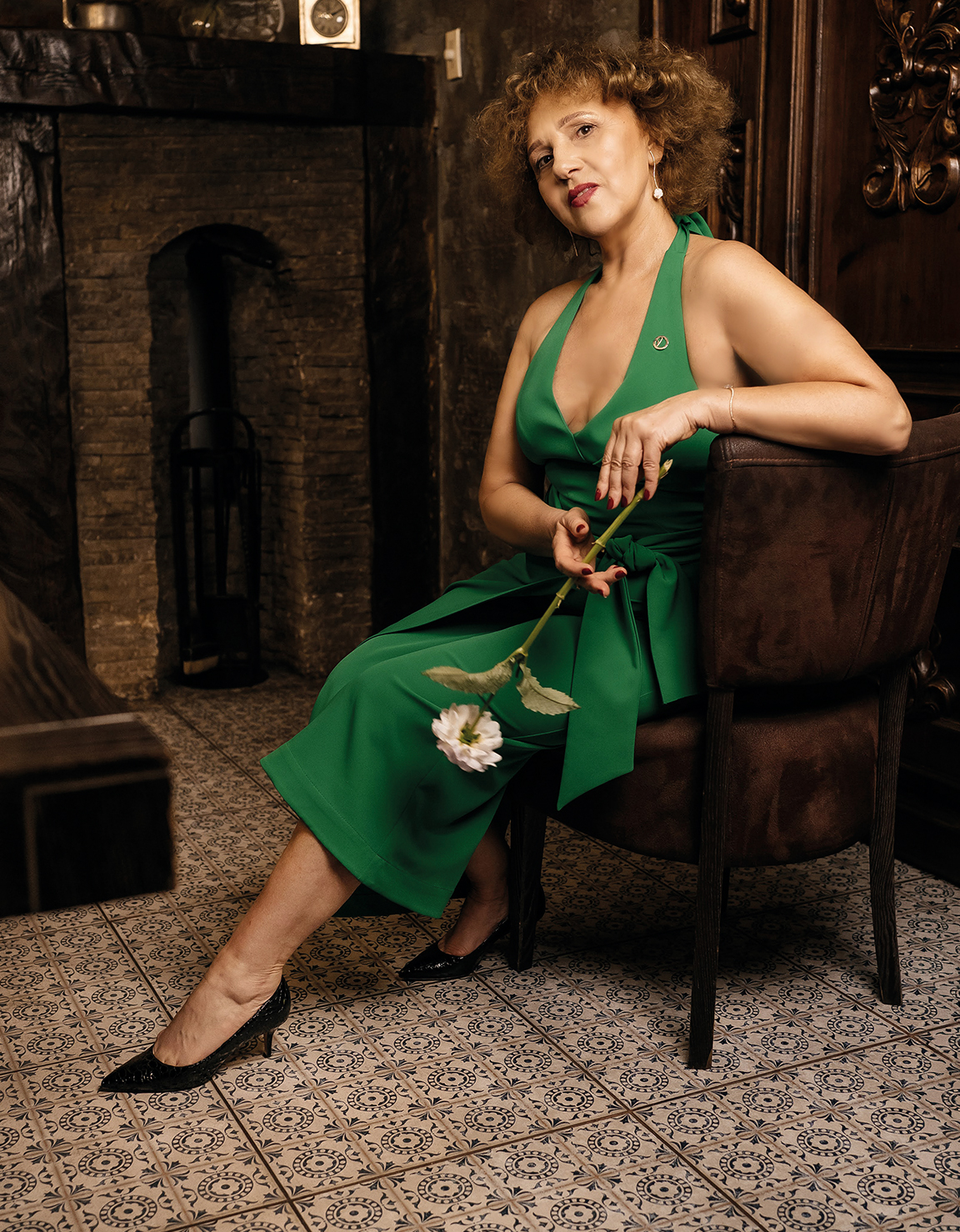
In many of your projects, your personal brand is directly connected to the business — from salons bearing your name to a TikTok blog about precious gemstones. How important is it for an entrepreneur to have a public presence today, and what role does reputation play in the value of a business?
Having a public presence matters today. People can find you more easily, and that creates more opportunities to bring your plans to life. But the more people know who you are, the greater your responsibility becomes for your words and actions.
For me, reputation is everything. It takes years to build and can be lost in a moment. I am honest and open, and I am not willing to compromise my reputation. Some people may find me difficult because I do not compromise on matters of principle.
Money can be earned again. Rebuilding a damaged reputation is far more difficult. That is why my formula for success is clear intentions, a strong work ethic, and the ability to move quickly when it comes to putting my plans into action.
With so many years of business experience behind you, what would you advise someone who is just starting their own business?
My main advice is: do not be afraid. But first, assess your abilities realistically, analyze your potential, and clearly define what you want to achieve.
Think through where to begin, who you will work with, and what resources you will need. Study your competitors, the market, and the existing offerings. Calculate the risks and minimize your expenses.
If you have knowledge, startup capital, reliable people around you, a strong work ethic, and a genuine desire to make it happen, your chances of success are very high.
And one more rule: never spend all of your money. Always keep a reserve. It is impossible to anticipate every risk that may arise while you are carrying out your plans.
Listen to yourself, analyze, calculate, and assess the risks. And once the decision has been made, act.
Photographer: Kateryna Arendarchuk
Makeup: Zimoha Beauty Space (Sofia)
Location: Korona Vitovta