
Mykhailo Fedorov Becomes Adviser to Italy’s Defense Minister. What His New Role Means for Ukraine’s Defense Tech Sector
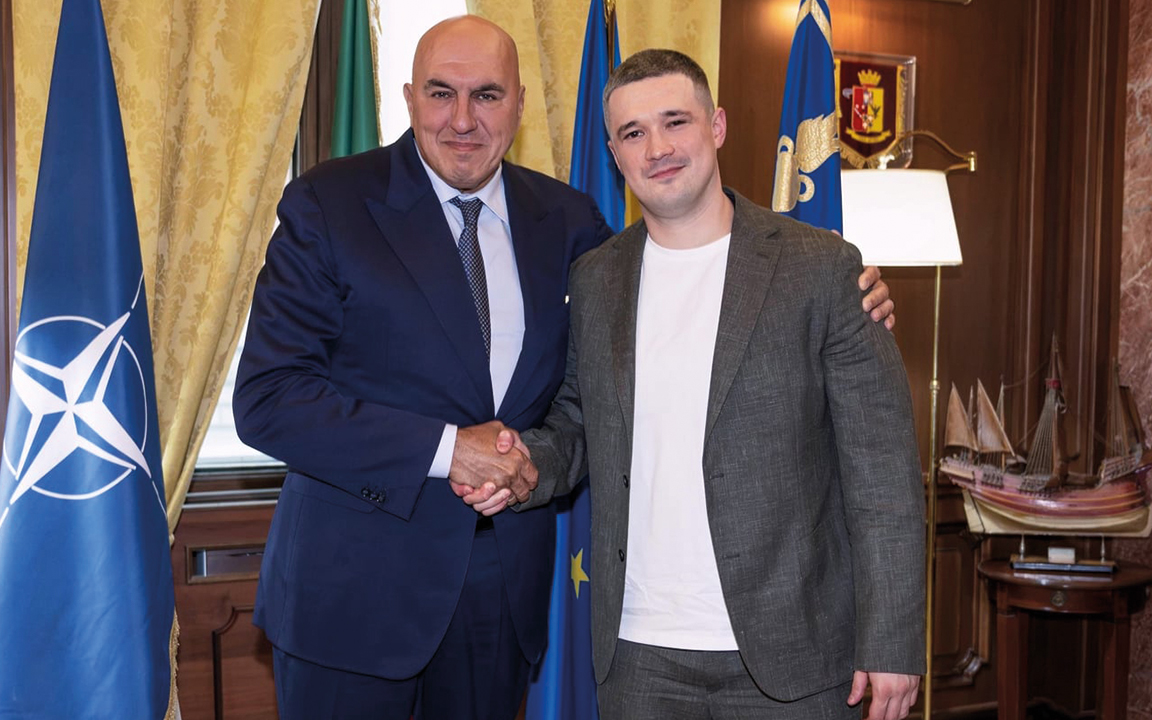
Former Ukrainian Defense Minister Mykhailo Fedorov has agreed to serve as an external adviser on defense innovation to Italian Defense Minister Guido Crosetto. He has no plans to relocate to Rome: Fedorov will remain based in Kyiv and continue working on Ukrainian defense and technology projects. His new role could become part of a broader international strategy to export Ukraine’s wartime technology expertise and attract Western resources to its defense tech sector.
Key Facts
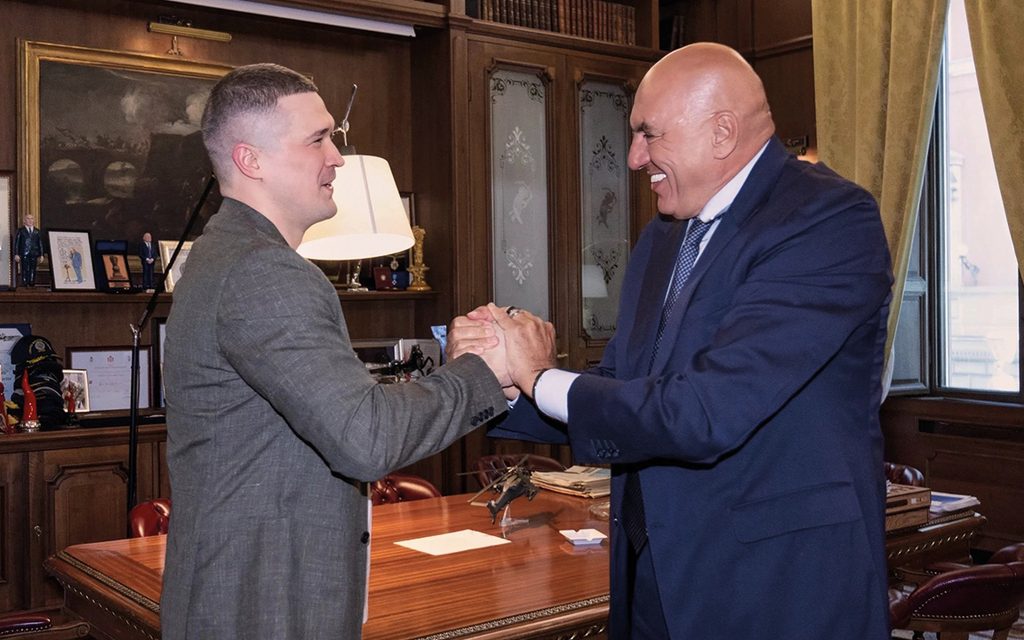
Fedorov met with Crosetto during an international trip focused on digitalization and defense technology. The two discussed drones, autonomous systems, air defense and the development of the defense tech ecosystem.
As an adviser, Fedorov will consult Italy’s defense leadership on modern warfare technologies and help the country adapt its defense sector to emerging security challenges. The position is an external advisory role, while his primary work will remain focused on Ukraine. His press team confirmed that Fedorov will continue to live and work in Kyiv.
For Italy, working with Fedorov provides access to the practical expertise of a country that has spent years developing and testing defense technologies under full-scale wartime conditions. Fedorov has argued that Ukraine’s experience could help shape a new defense model for European countries.
Crosetto first invited Fedorov to join his team following his resignation as Ukraine’s defense minister in July. The Italian official has praised Fedorov’s role in advancing military innovation and described him as one of the people who helped change the rules of modern warfare.
What It Means for Ukraine
The Italian advisory role is part of a broader strategy Fedorov has pursued since leaving government. The former minister is seeking to turn Ukraine’s wartime technology expertise into a platform for international defense cooperation, with access to Western capital, manufacturing capacity and technology.
In late August, reports emerged that Fedorov was also seeking U.S. and other Western investment for a new defense tech fund. Potential areas of investment include combat robotics, low-cost high-speed interceptor drones and AI-powered missile systems.
The arrangement could benefit both sides. European partners gain access to Ukrainian expertise in drones, autonomous systems and the rapid deployment and scaling of military technologies. Ukraine’s defense tech ecosystem, in turn, could gain additional channels for attracting investment, establishing industrial partnerships and entering Western defense markets.
The initiative also aligns with Rome’s broader defense plans. Italy has applied for €8 billion in financing under the European Union’s SAFE program, designed to strengthen the defense capabilities of EU member states.
Context
Fedorov served as Ukraine’s defense minister from January to July 2026. His dismissal during a government reshuffle triggered large-scale protests in Kyiv and other Ukrainian cities.
Following his departure, President Volodymyr Zelenskyy offered Fedorov other government positions, but he declined, arguing that implementing his Air-Land-Economy defense strategy required the authority of the defense minister.
Fedorov has also spoken publicly about offers from the private sector, including from U.S. technology company Palantir. At the same time, he has said he intends to remain focused on Ukraine’s defense and the technological development of its Armed Forces.
On August 19, Ukraine’s parliament appointed Yevhen Khmara as the country’s new defense minister. Khmara previously headed the Security Service of Ukraine’s Alpha Special Operations Center and served as acting head of the Security Service of Ukraine.
Fedorov’s Italian advisory role is beginning to define his post-government strategy: stay in Ukraine while building an international network around the country’s defense technology sector. If cooperation with European governments is complemented by Western private capital, Ukraine’s defense tech industry could gain a new path to scale beyond domestic defense procurement.