Ukraine Needs Another €70 Billion in 2027. Taras Kachka on EU Talks, Steel Quotas, and CBAM
By year’s end, Kyiv aims to open the final two clusters of accession talks, agree on a funding framework for 2027, and secure a revision of steel quotas. Ukraine’s representative to the EU, Taras Kachka, says the quota issue could be resolved as early as January 1. For now, he sees little prospect of a permanent exemption from CBAM.
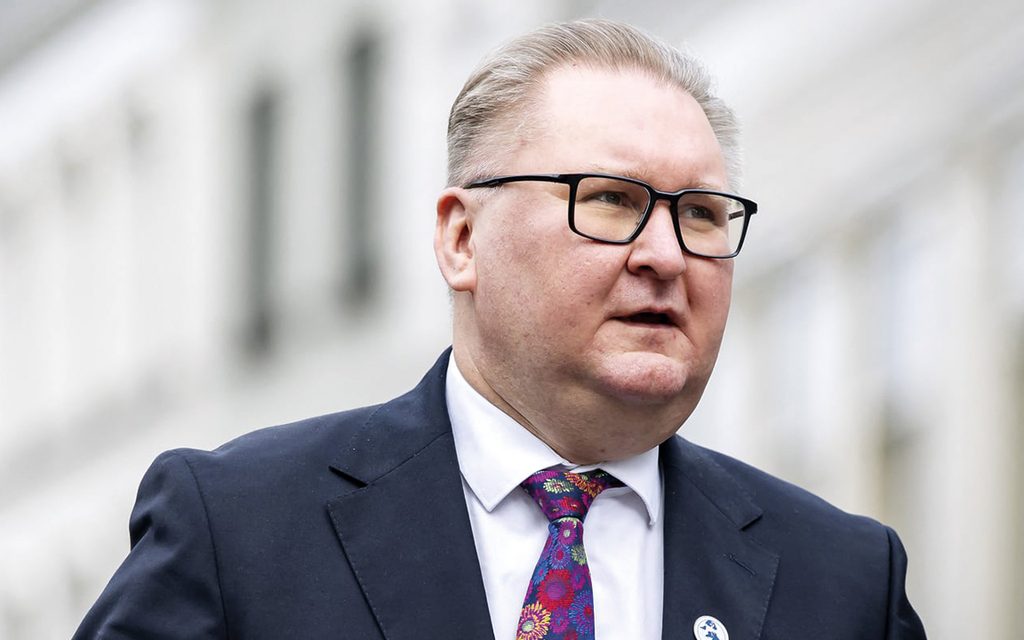
Taras Kachka has served as Ukraine’s representative to the EU since October 2026 and continues to serve as the country’s trade representative. He has worked on European integration for about 25 years. In an interview with Forbes Ukraine, Kachka explained what will determine the pace of accession talks, how Brussels plans to meet Ukraine’s funding needs, and where Kyiv hopes to secure concessions for its exporters.
Funding for 2027
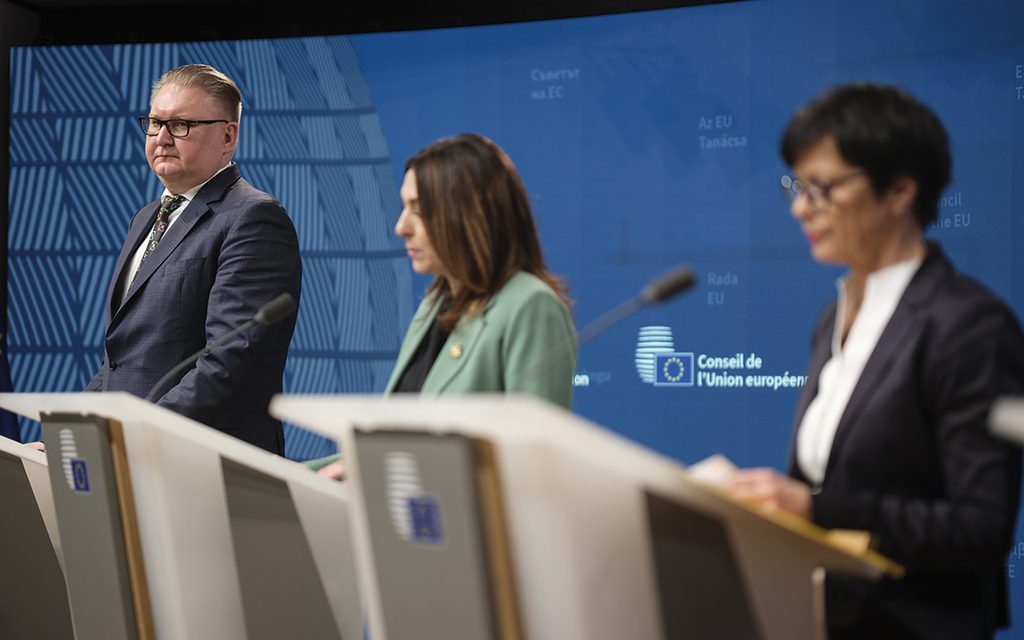
Ukraine needs an additional €70 billion in funding for 2027. Kachka says the EU has confirmed that estimate and is developing a mechanism to cover at least €45 billion. To raise the rest, Kyiv is working with G7 countries and other partners, including Norway.
Steel Quotas and Carbon Charges
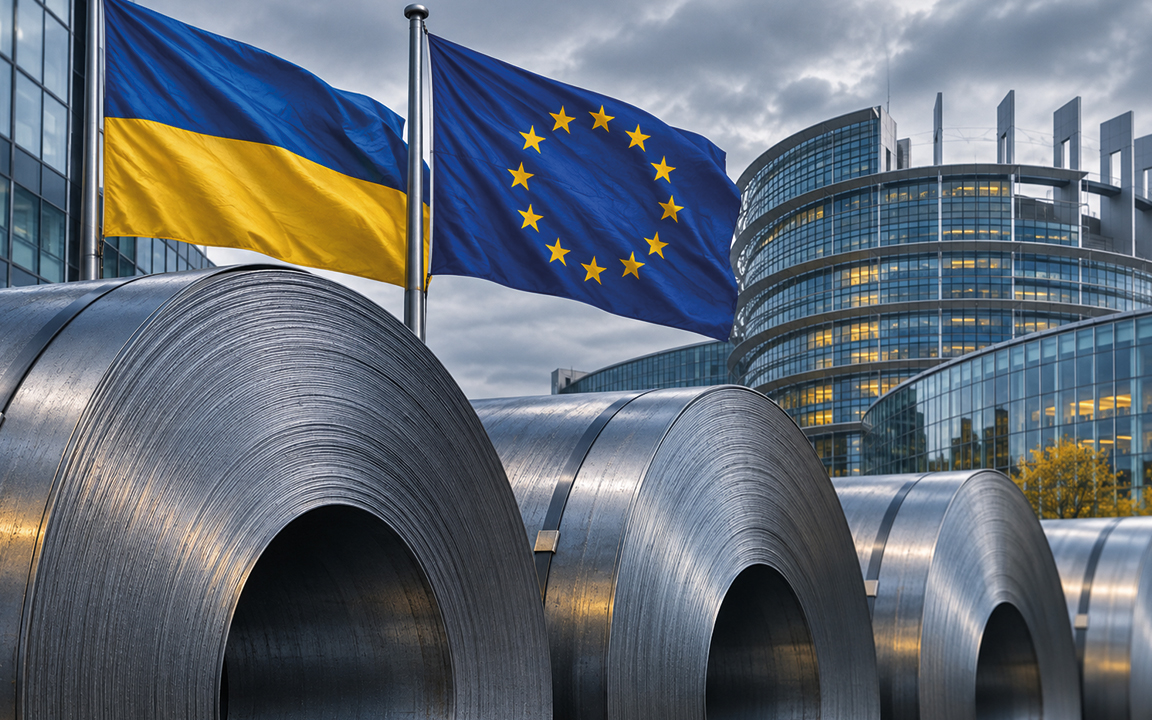
Kyiv is pushing the EU to revise quotas on three steel products—hot-rolled steel coil from Metinvest and two categories of seamless pipes supplied by Centravis and Interpipe. Ukraine discussed the quotas with the EU on November 11 and is explaining to the European Commission how each product fits into the European market. Kachka says the issue could be resolved as early as January 1, 2027.
Kachka is more cautious about the EU’s Carbon Border Adjustment Mechanism (CBAM), which applies carbon charges to imports. He expects any progress by year’s end to be limited to technical measures. One possibility is remote verification of actual emissions, which could lower costs for Ukrainian producers. For now, Kachka sees no basis for a permanent exemption. He says Ukraine also needs to develop a climate policy that takes into account both the needs of its industry and EU requirements.
EU Accession and Political Risks
Ukraine aims to open the final two negotiating clusters by the end of 2026. Its next goal is to receive an Interim Benchmark Assessment Report (IBAR) on its progress in meeting rule-of-law benchmarks by February 2027. That would allow Ukraine to begin closing negotiating chapters.
One sensitive issue is access to the EU market for Ukrainian agricultural products. Kachka expects some member states to propose restrictions in response to concerns raised by their farmers. Kyiv is preparing for those talks using data on how Ukrainian products affect European markets. In the debate over agricultural subsidies, Kachka questions whether large companies will need them. He identifies small farmers and veterans looking to start farms as groups that may need support.
The prospect of Marine Le Pen coming to power in France and the growing strength of the Alternative for Germany (AfD) add to the political uncertainty. Kachka says Kyiv is prepared for dialogue in both cases. Ukrainian officials are already in contact with AfD members of the Bundestag.
Logistics and Sanctions
A meeting with representatives of the EU and neighboring governments is scheduled for November 23 to discuss freight transport across Ukraine’s western border. Road routes help Ukraine export value-added goods, while limited rail capacity constrains shipments of metal products. In Kachka’s assessment, a full resumption of grain and metal exports depends on shipping through the Black Sea.
The EU is also preparing its 22nd package of sanctions against Russia. Kachka hopes it will be adopted by the end of the year or in early 2027. He says the package could include measures related to cryptocurrency and nuclear energy.