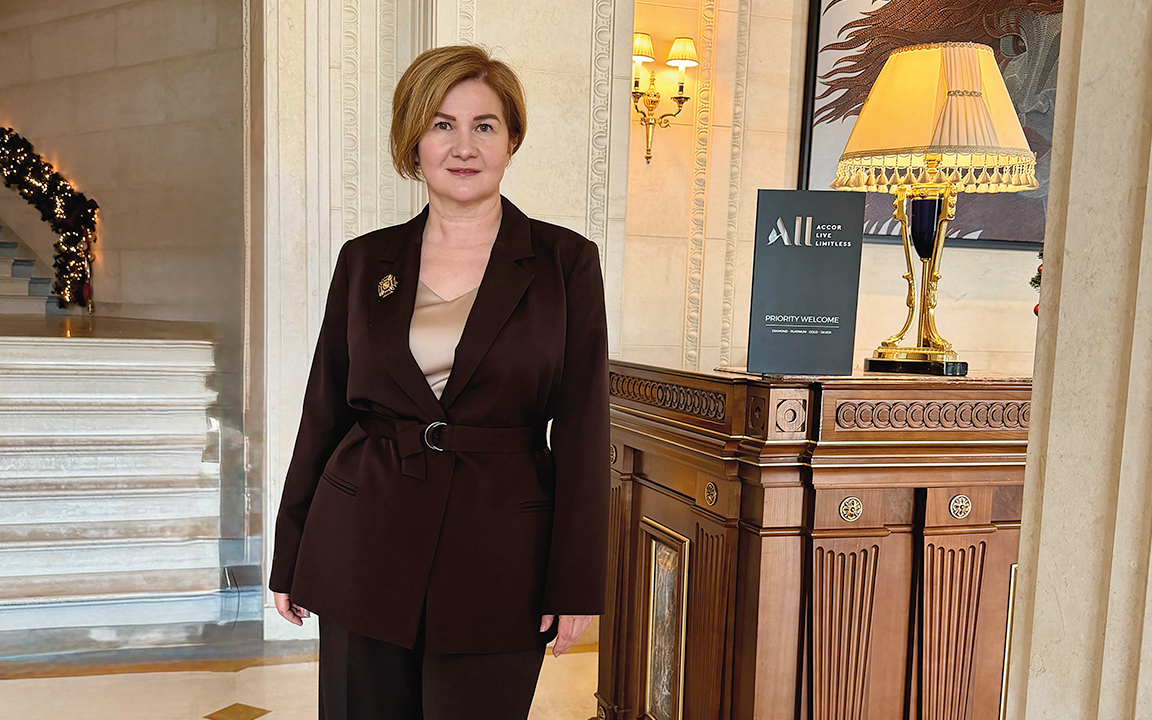

Yuliia Kovalenko: “The Future of Aesthetic Medicine Lies in a Systematic Approach to Health”
During the years of full-scale war, VONA Beauty Center has kept its team together, retained its patients’ trust, and expanded its practice. The clinic began in aesthetic medicine and cosmetic care and now also provides medical care for patients with overweight or obesity. Treatment with GLP-1 medications has become a key area of its practice. Founder Yuliia Kovalenko discusses how the war changed her approach to leadership, what patients can expect at each stage of treatment, and why changes to the face and body are worth considering from the start.

What decisions helped VONA Beauty Center keep its team together, maintain patients’ trust, and continue to grow during the full-scale war?
During the full-scale war, I decided we would keep investing in the clinic’s growth. The team came first. I wanted to retain our specialists, give them a stable place to work, and make sure they could continue their training. Medical knowledge and protocols evolve quickly, so professional development has to be part of the job.
We also kept investing in equipment and introducing techniques backed by research. We began developing protocols that bring together diagnostic assessment, device-based and injectable treatments, and at-home care. When we evaluate a new technology, our priorities are patient safety and how reliably we can predict the results.
Economic instability hasn’t changed how we approach consultations. Patients deserve a straightforward explanation of which procedures make sense for them, which can wait, and which are best avoided. That’s how you build trust. It’s one of the biggest lessons the war has taught me as a leader. Even as circumstances change around us, we can keep our work consistent, uphold our professional standards, and maintain our patients’ trust. That’s what allowed us to expand our practice even during this period.
VONA began in aesthetic medicine and cosmetic care. Why was introducing treatment with GLP-1 medications an important step for the clinic?
Over time, we began to look more broadly at what brings patients to us. Skin quality and aesthetic treatments are still part of our practice. Today, we also pay attention to metabolic health, weight, lifestyle, and how people feel overall.
Introducing GLP-1 treatment was a milestone for me because it meant taking on the medical management of patients with overweight or obesity. Obesity is a chronic disease that calls for long-term follow-up and comprehensive care. GLP-1 medications are one tool we can use in that care. A physician evaluates the patient and prescribes medication when clinically indicated. During treatment, we also work with patients on nutrition, physical activity, and everyday habits. That approach is consistent with international recommendations for obesity care.

How have GLP-1 medications changed obesity treatment, and what can that mean for a patient’s everyday life?
I see this treatment as part of a broader shift in medicine. Obesity is increasingly understood as a chronic disease for which people need long-term medical support. The World Health Organization supports that approach as well.
Medications in this class can help regulate appetite and feelings of fullness, reduce body weight, and improve some metabolic markers. Studies of certain medications in specific patient groups have also shown a lower risk of cardiovascular events or of developing type 2 diabetes.
What interests me most is how treatment affects an ordinary day. As some people lose weight, they may find it easier to move around, exercise, or manage their daily routines. Clinical studies of semaglutide have reported improvements in physical functioning and measures of quality of life alongside weight loss. At VONA, we track changes in patients’ weight and how they’re feeling, and we work with them on habits that can help them maintain their results over time.
What does care at VONA look like from the first consultation through long-term weight management?
At the first consultation, we take a medical history and discuss the patient’s eating habits, activity level, past experiences with weight loss, and any other health conditions. Once the necessary lab tests are complete, the physician reviews the indications and contraindications. If treatment is appropriate, the physician selects the medication and develops a treatment plan.
During treatment, we monitor changes in weight, how the patient is feeling, and relevant health markers. The physician adjusts treatment as needed. At the same time, we discuss what changes to nutrition, physical activity, and daily habits the patient can sustain.
Reaching a target weight marks the start of the next phase. We develop an individualized plan for follow-up and weight management to reduce the risk of regaining weight.

How can significant weight loss change the face, skin, and body proportions, and when does VONA start taking those changes into account?
People often use the term Ozempic face when someone loses facial volume and their facial contours change after losing weight. That can happen with any substantial weight loss. As the amount of fat beneath the skin decreases, the proportions of the face and body change, and the skin needs time to adjust to those new contours.
At VONA, we take that into account from the start. As the patient’s weight changes, we also pay attention to their skin and to changes in the contours of the face and body. We want the results to look natural.