
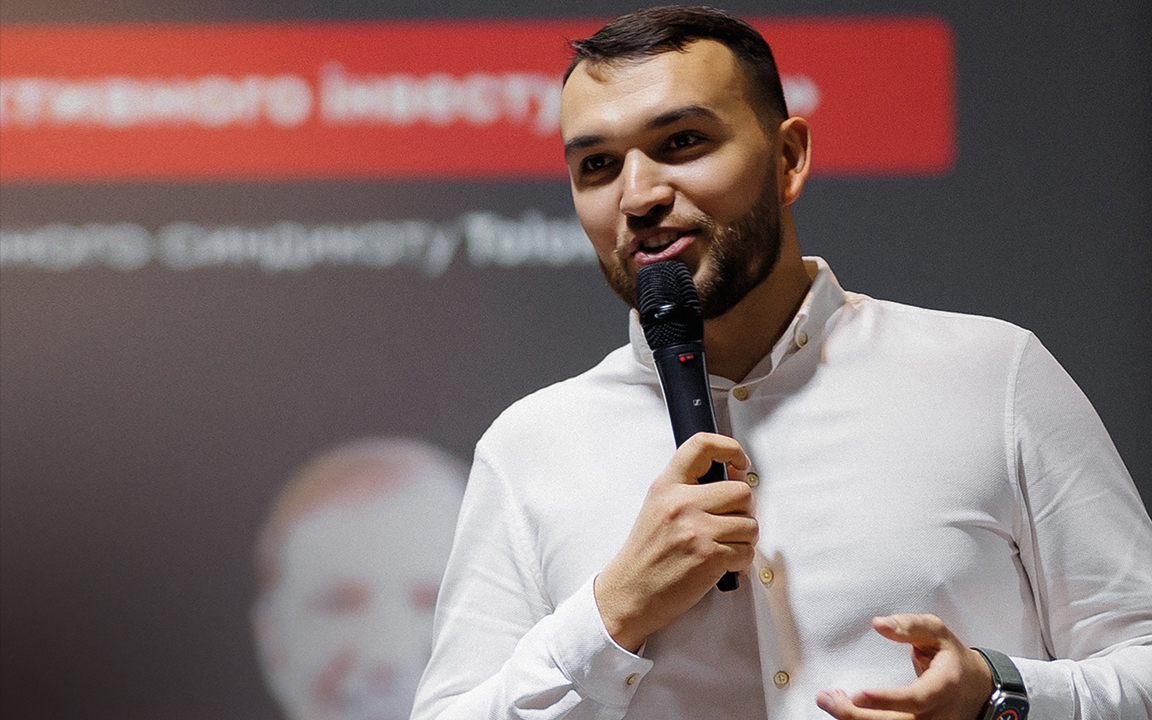
Vitalii Zayets: A Strong Network Saves Entrepreneurs Their Most Valuable Resource — Time
For entrepreneurs, a strong professional network is increasingly becoming as strategic a resource as capital, a team, or expertise.
Vitalii Zayets, founder of S CLUB, a Kyiv-based business community for business owners and entrepreneurs, discusses how a high-quality professional environment is built, why small-group gatherings often deliver more practical value than large-scale conferences, and how to tell whether a business community is genuinely creating value for its members.

A strong network is increasingly seen as one of an entrepreneur’s key resources, alongside capital, knowledge, and a strong team. In practical terms, how does the right environment influence the quality of decision-making, ambition, and the pace of business growth?
Above all, a strong network saves entrepreneurs time. In business, many decisions are made through trial and error, but when you are surrounded by people who have already navigated similar challenges, some of those mistakes can simply be avoided.
For example, instead of spending several months looking for a partner, contractor, or an introduction to the right person, sometimes a single request within S CLUB is enough. We have a peer-to-peer format where members gather in small groups around a table and work through one another’s business challenges together.
The value of a business community is largely defined by the people in it. What principles guide the way you build S CLUB, and how do you maintain the quality of that environment as the community grows?
We operate on a simple principle: the value of a community reflects the value of the people who shape it. That is why, for us, the scale of someone’s business or their status matters less than their reputation, values, openness, and willingness to contribute to others.
S CLUB currently has more than 70 members, including market leaders across their respective industries.
You can put 500 entrepreneurs in a single group chat, but that alone does not create a strong community. What matters to us is that genuine relationships develop between people, which is why we maintain a small-group format and create opportunities for regular interaction.
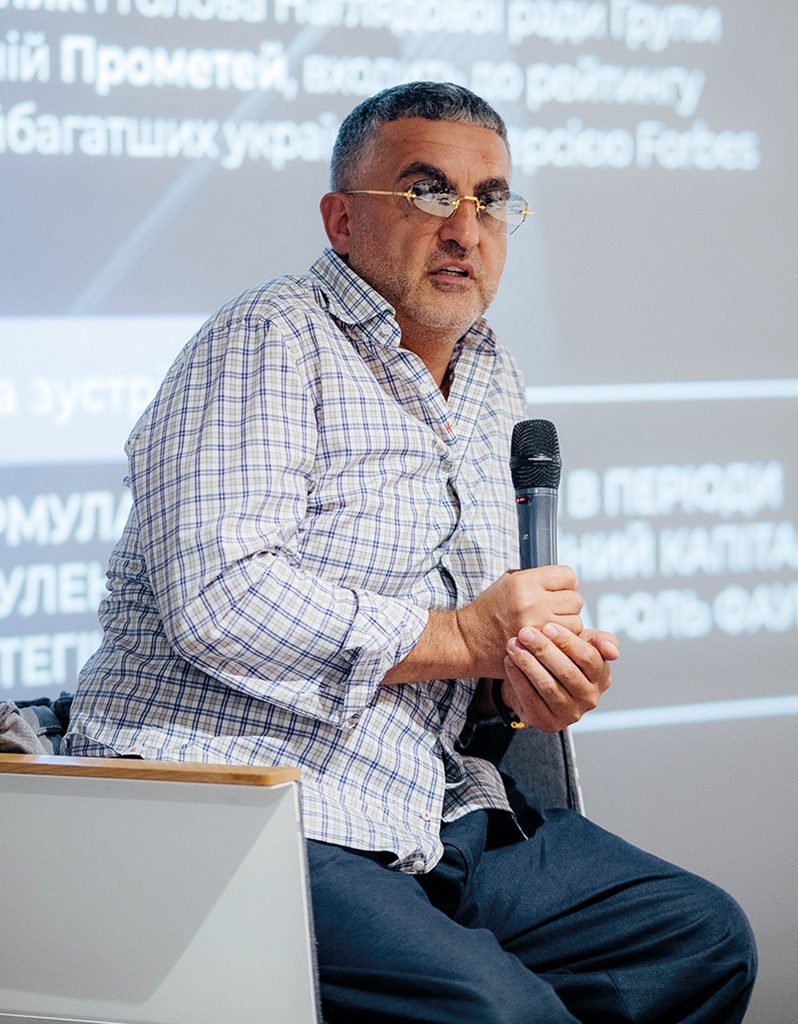
S CLUB prioritizes small-group gatherings with experienced entrepreneurs over the traditional “speaker-audience” model. What does direct dialogue give a business owner that is difficult to get at a large conference or from publicly available sources?
We deliberately invite practitioners rather than theorists to S CLUB — people who are actively building real businesses today.
For example, one of our speakers last month was Rafael Goroyan, founder of the Prometey group of agricultural companies, while one of our upcoming meetings will feature entrepreneur and investor Ihor Tynnyi.
The main advantage is that you can go beyond hearing their story and ask a specific question: “What did you do in this situation?” “Where did you make mistakes?” “What would you do differently today?”
Those answers often have the greatest practical value for entrepreneurs. It is the kind of knowledge that rarely makes its way into public interviews.
Networking can generate dozens of new contacts, but not every contact turns into a partnership or business opportunity. How does S CLUB build trust among its members, and what transforms an introduction into a professional relationship with real value?
“Strong networking isn’t about how many contacts you have in your phone. It’s about how many people you can call with a specific question.”
A contact becomes valuable when there is trust behind it, an understanding of each other’s expertise, and a willingness to engage.
At S CLUB, we focus not only on introducing members to one another but also on creating regular opportunities for them to interact. This allows people to see one another in different contexts and understand each other’s experience, values, and approach to business.
As a result, you no longer simply know that Oleh works in real estate development and Andrii in manufacturing. You know that if tomorrow you need advice on entering a new market, finding a partner, handling a legal issue, or building a team, there is a specific person you can call.
That is the point when an introduction becomes social capital.
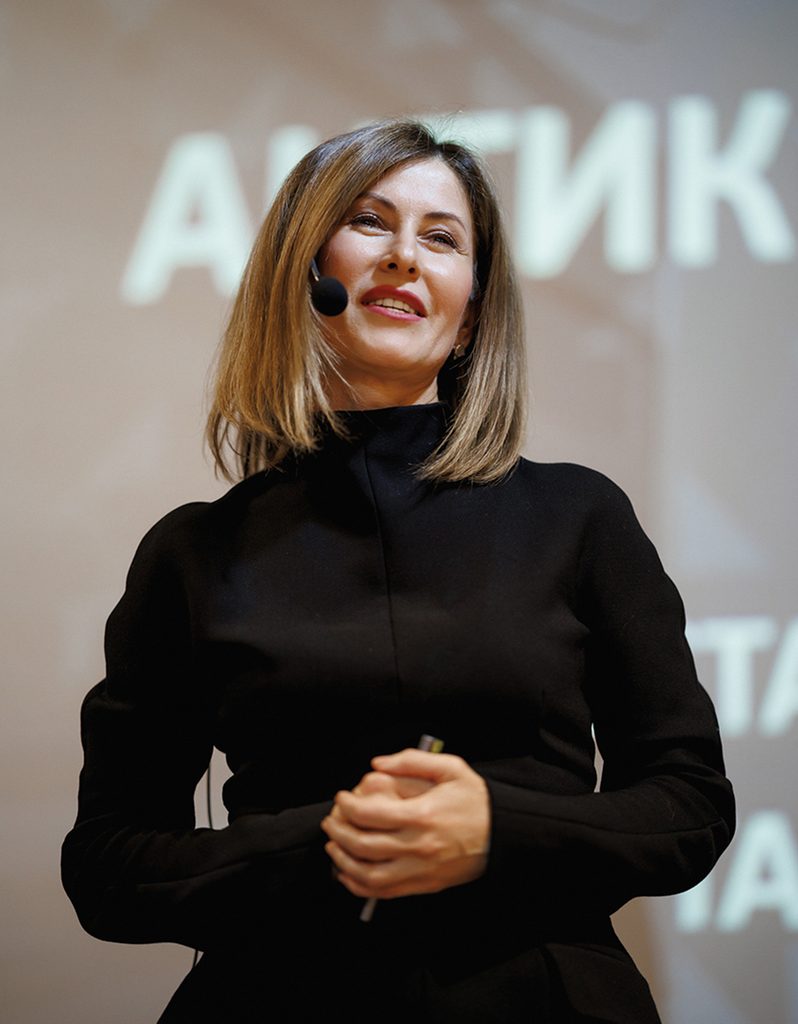
S CLUB combines peer-to-peer meetings, Company Visits, business lunches, private discussions, and informal gatherings. Which formats deliver the greatest practical value for entrepreneurs, and what results tell you that the community model is actually working?
We cannot single out one format as the most effective because each serves a different purpose.
Peer-to-peer meetings allow members to bring a specific business challenge to the table and get perspectives from other entrepreneurs. Company Visits offer an inside look at how another business operates — its team, processes, production, and management. Business lunches and private discussions provide an opportunity to explore a specific topic in depth with experts and practitioners.
For us, the most important measure of effectiveness is what happens after the meetings: members continue interacting, form partnerships, find clients, exchange expertise, or return to their businesses with concrete solutions they can implement.
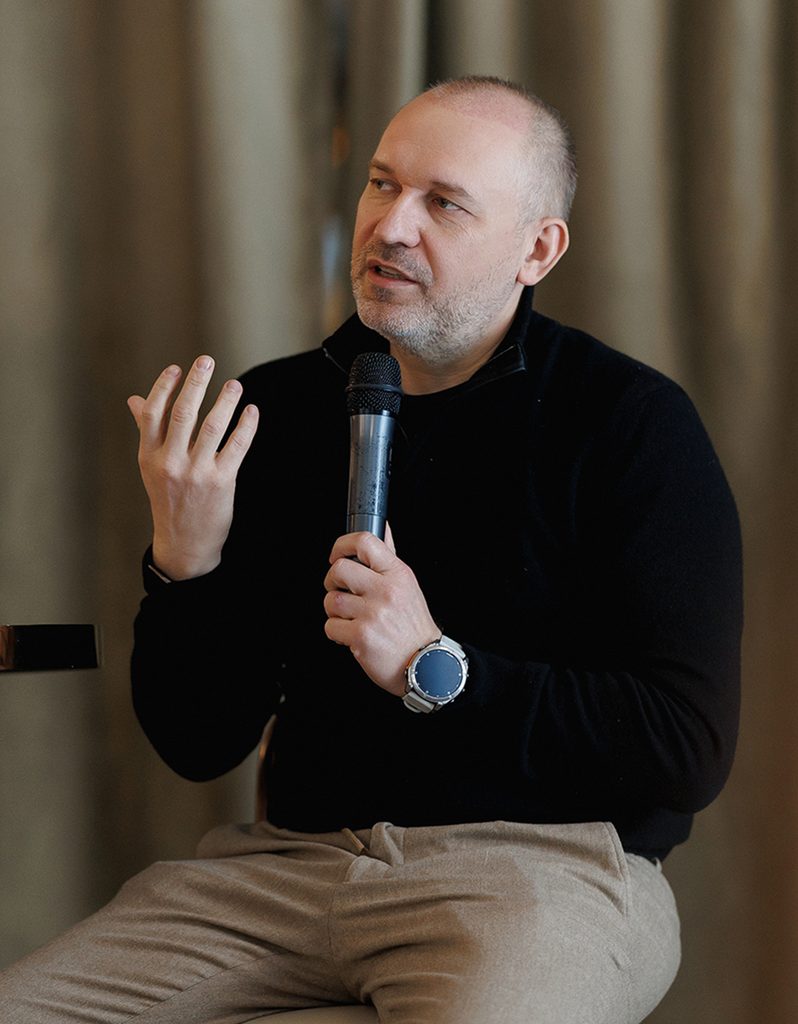
Scaling a business community creates a certain paradox: the larger it becomes, the harder it is to preserve closeness, trust, and the quality of relationships. How do you plan to grow S CLUB without losing these principles, and how do you see the broader role of business communities in Ukrainian entrepreneurship over the next few years?
Our goal is not simply to increase the number of members. Preserving the quality of the environment and the level of interaction between people matters more to us.
We plan to develop S CLUB through new formats, thematic gatherings, and high-caliber speakers, while maintaining its small-group character and culture of trust.
I believe the role of business communities in Ukraine will only continue to grow in the coming years. Entrepreneurs need an environment where they can discuss difficult decisions, share experience, and find partners. Communities like these are becoming a form of trust infrastructure for business — and that trust could become one of the competitive advantages of Ukrainian entrepreneurship.