Elchin Ahmadov and the Art of Camera Movement: A New Language of Luxury Video
Elchin Ahmadov’s path into the world of visual storytelling began far from cameras and film sets—inside the boxing ring. Years of professional sport shaped the discipline, endurance, and composure under pressure that now define his approach to filmmaking. Today, those qualities translate into dynamic cinematic projects for luxury brands, influencers, and international companies. After relocating to the United States, Ahmadov quickly established himself in Miami’s highly competitive media landscape and launched his production company, Epic Vision 88 LLC, specializing in high-end video content.
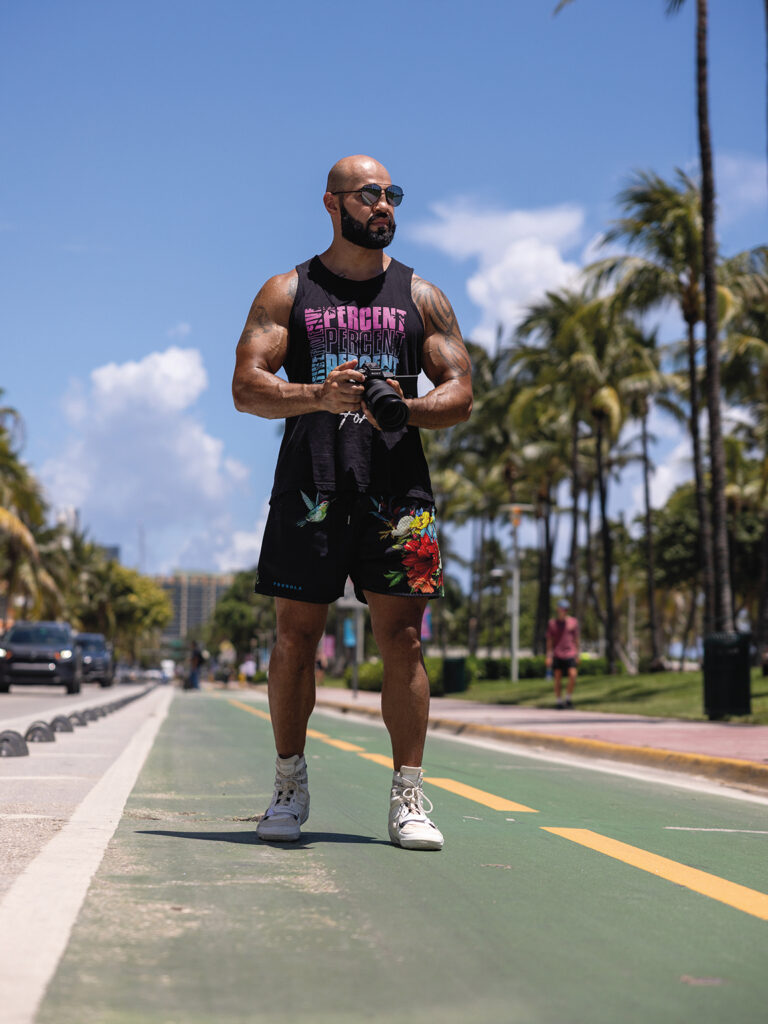
Your career began in professional boxing. How did that experience influence your work in film and media production?
Professional sport instilled two qualities that remain fundamental to my work today: discipline and endurance. Boxing is about constantly pushing your limits. You learn to stay focused under pressure, make decisions in fractions of a second, and maintain control even in extreme conditions.
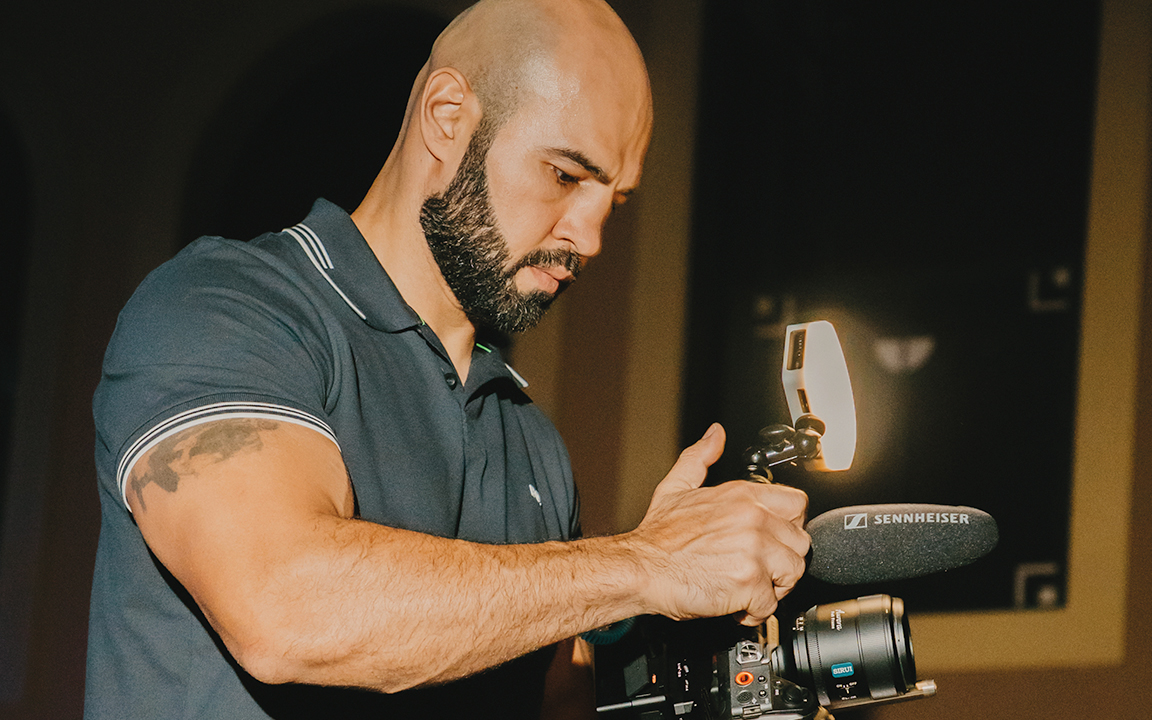
When I entered video production, I quickly realized that this background was a major advantage. Film shoots often last 10 to 15 hours straight. It involves constant movement between locations, working with heavy equipment—stabilizers, cameras, lighting rigs. The total weight of gear can reach 20–30 kilograms, and the operator must not only handle that load but also maintain precise framing and creative thinking.
Beyond physical endurance, boxing gave me excellent body coordination and control. That translates directly into camera work—especially when filming dynamic scenes or operating a gimbal or handheld camera. On many projects, this ability to physically move with the camera and almost “feel” the frame allows me to create complex tracking shots and dynamic sequences that are difficult for most operators to execute.
Many clients say this combination of physical conditioning and visual thinking is one of the reasons they choose me for their projects.
In 2016, you made a dramatic shift—from sports to visual art. What was the turning point?
The transition happened quite naturally. In 2016, I was actively training and competing while also filming content for myself—training sessions, the atmosphere of preparation, moments from athletic life. I already had Instagram and YouTube pages where I shared these videos.
Gradually, I realized the process of creating video fascinated me more and more. I started studying cameras, lighting, composition, and editing. I learned software like Adobe Premiere Pro, experimented with color grading, pacing, and visual storytelling.
My first serious step came when I filmed a dynamic training highlight video for a friend—an Olympic medalist and world champion wrestler. The reaction from both the athlete and the audience was so strong that I understood visual storytelling could become my profession.
Later, when my work began attracting entrepreneurs and brands, I saw that I could create more than beautiful visuals. I could craft complete visual narratives that strengthen a client’s brand image and business presence.
Moving to the United States in 2021 became the next major turning point. Miami is one of the most dynamic media markets in the world, and it was here that my projects began attracting international brands and well-known influencers. From that moment, my career began to accelerate significantly.
Today your work is associated with the aesthetics of luxury content. How did your visual style develop?
My style formed at the intersection of three directions: cinematic storytelling, luxury brand aesthetics, and dynamic camera work.
For me, a video should do more than simply look beautiful. It needs to evoke emotion, tell a story, and work strategically for the client’s brand. I often say that strong commercial content must be both cinematic and strategically effective.
My visual language is sometimes described as cinematic luxury realism. It combines clean composition, deep color palettes, smooth camera movement, and a strong visual rhythm. I pay close attention to spatial composition, lighting, and transitions between scenes.
Camera movement plays a particularly important role. Smooth tracking shots, complex transitions between locations, and interaction with architectural space all help create the feeling of a premium cinematic experience.
Over time, this approach began attracting the attention of brands and influencers. Social media has become a global stage where visual style spreads quickly and reaches international audiences.
Moving to the United States and working in Miami is a major professional challenge. What did you face at the beginning?
The start was intense. When you arrive in a new country, you have no network of clients or professional contacts. Everything has to be built almost from scratch.
One of the biggest challenges was understanding the American luxury-content market. It has its own aesthetic, its own expectations, and a very fast pace of work. Clients in the U.S. are accustomed to rapid production timelines and flawless quality.
During my first years in Miami, I completed hundreds of commercial projects. Many were connected to luxury real estate, brands, entrepreneurs, and influencers. That segment turned out to be especially interesting because it requires a precise visual language and a deep understanding of aesthetics.
Social media also played an important role in my career growth. Some projects gained traction online and began attracting new clients. Over time, more and more commissions started coming through recommendations—and in this industry, that is one of the strongest indicators of trust.
You founded the production company Epic Vision 88 LLC. What is the philosophy behind this brand?
I established Epic Vision 88 LLC in the United States as a platform for creating high-end cinematic projects for brands and entrepreneurs.
The company’s philosophy is simple: visual content should not only look impressive—it should function as a powerful brand communication tool. We create videos that help companies tell their story, shape their image, and engage audiences.
Today we work with businesses across multiple industries—from luxury real estate and automotive brands to technology companies and international corporations.
Some of our projects generate hundreds of thousands or even millions of views on social media, helping brands significantly expand their audience and increase recognition.
Gradually, Epic Vision 88 is evolving into an international production company focused on high-level projects and global clients.
You have worked with well-known media figures—from MrBeast to DJ Khaled. What makes these projects different?
Working with media personalities of that scale primarily differs in the level of responsibility involved. When content is created for people whose audiences number in the tens or even hundreds of millions, every detail becomes critical.
Frame composition, camera movement, lighting design, editing dynamics—everything must be extremely precise. Shoots often take place under tight time constraints or during large-scale events where decisions must be made quickly.
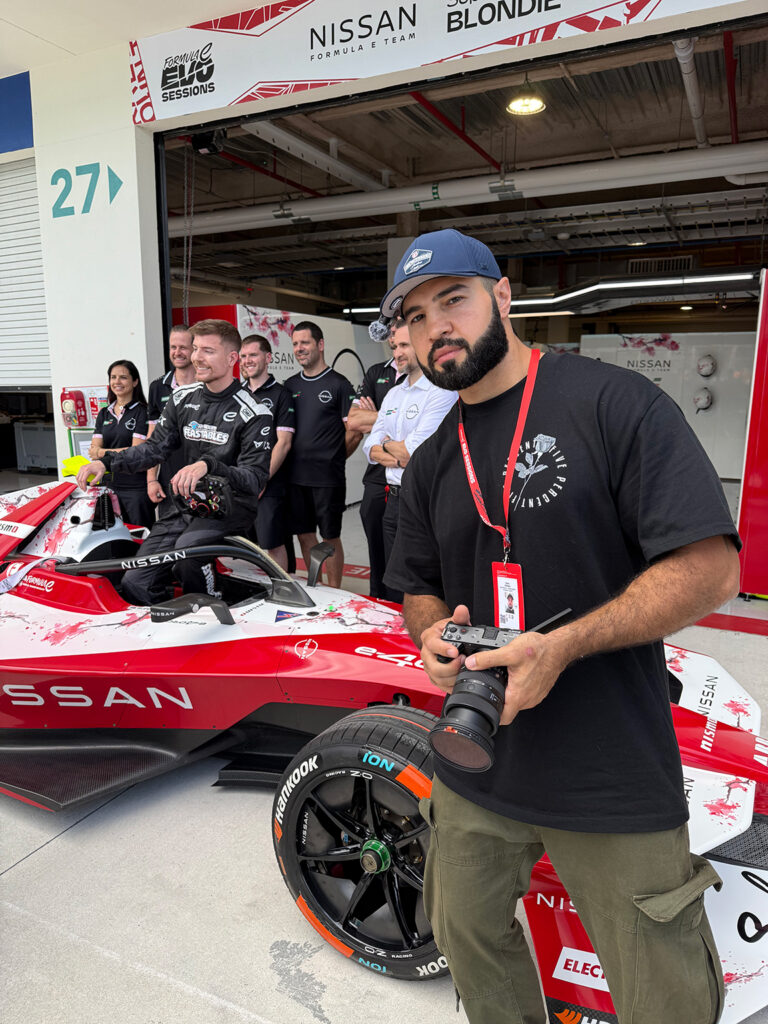
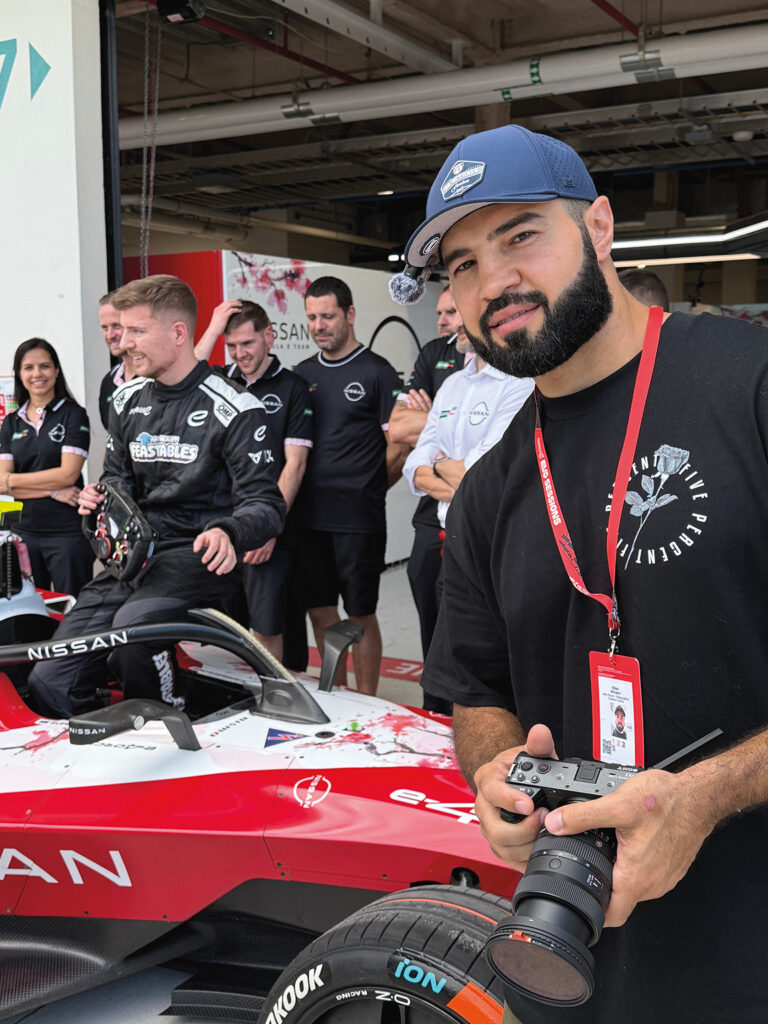
I’ve worked on projects and events involving well-known influencers and artists such as Supercar Blondie, 50 Cent, and DJ Khaled. I’ve also filmed content at major international events, including the Formula E Miami Grand Prix.
These projects require not only technical preparation but also the ability to create images that instantly capture audience attention. That’s the essence of viral visual storytelling.
You’ve filmed content for well-known athletes and fitness icons. How does sports cinematography differ from luxury projects?
Sports content demands a completely different approach. The primary goal is to capture the energy of movement, strength, and emotional intensity.
The camera must almost move with the athlete. You have to sense the moment, anticipate motion, and capture the peak of effort or focus before a lift.
My own sports background helps significantly in these shoots. I understand training rhythms, the mechanics of movement, and the psychology of athletes.
When working with athletes such as Larry Wheels and Chris Heria, I try to show more than a workout. I aim to reveal the person—their strength, discipline, and inner motivation.
Among your clients are international brands and corporations. What do they expect from video production today?
Today brands need more than a visually appealing video. They need content that works strategically.
Video must perform several roles simultaneously: capturing attention, strengthening brand image, and increasing conversion.
Such projects often involve complex logistics, multi-camera production, large teams, and strict deadlines.
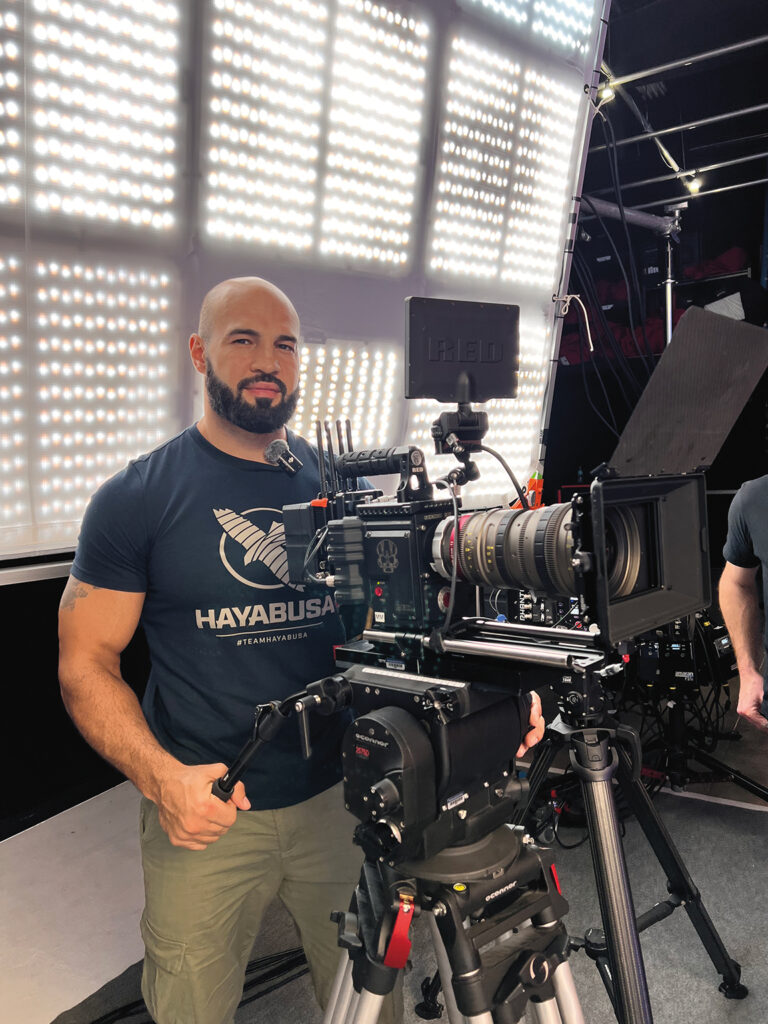
My collaboration with companies like Shaklee Corporation, Hayabusa Boxing, and Hilton Aventura Miami demonstrates how modern commercial video production is becoming increasingly sophisticated and technology-driven.
Your videos often go viral on social media. How important is the digital audience?
Today the digital audience is essentially a global stage for any videographer.
Social media—especially Instagram—has become the primary distribution channel for visual content. Many clients choose a cinematographer based on how their work performs online.
When a video generates hundreds of thousands or millions of views, it impacts not only the creator’s reputation but also the client’s business directly.
My goal is to create visuals that stop the viewer within the first few seconds. To achieve that, I focus intensely on composition, rhythm, and camera movement.
Some projects on Instagram have reached 300,000 to 500,000 views, and results like that help brands expand their audience and attract new clients.
You were invited to serve on the jury of an international film festival in Miami. What trends do you see in contemporary visual culture, and what do you believe is the future of cinematic content?
Being invited to serve as a jury member at the FOLLOW YOUR HEART International Film Festival (Miami 2026) was a very meaningful moment in my career. For anyone working with imagery and visual storytelling, such an invitation represents recognition of professional expertise and trust from the industry.
Serving on the jury gave me the opportunity to see a vast number of projects from different countries and cultures. There were films, fashion videos, experimental works, and digital formats created by directors, cinematographers, and visual artists from around the world. Experiences like this allow you to look at contemporary visual art from a new perspective and understand how rapidly the language of imagery is evolving.
As a cinematographer, I was particularly interested in how camera work and editing are transforming. Many creators today boldly experiment with form, blending classical cinematic techniques with the possibilities of digital platforms, short-form formats, and social media.
In my view, the future of cinematic content lies precisely at the intersection of these worlds. On one side, the deep cinematic language remains—attention to light, composition, and visual dramaturgy. On the other, new storytelling methods are emerging, adapted for a modern digital audience.
This combination of cinematic aesthetics and digital dynamics is shaping the next stage of visual storytelling. And as a content creator, it is incredibly exciting to be part of that evolution.